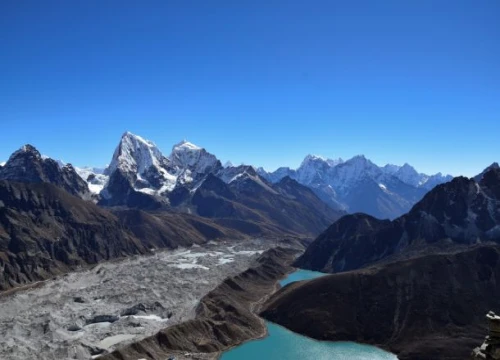
Key Difficult Factors Of The Trek
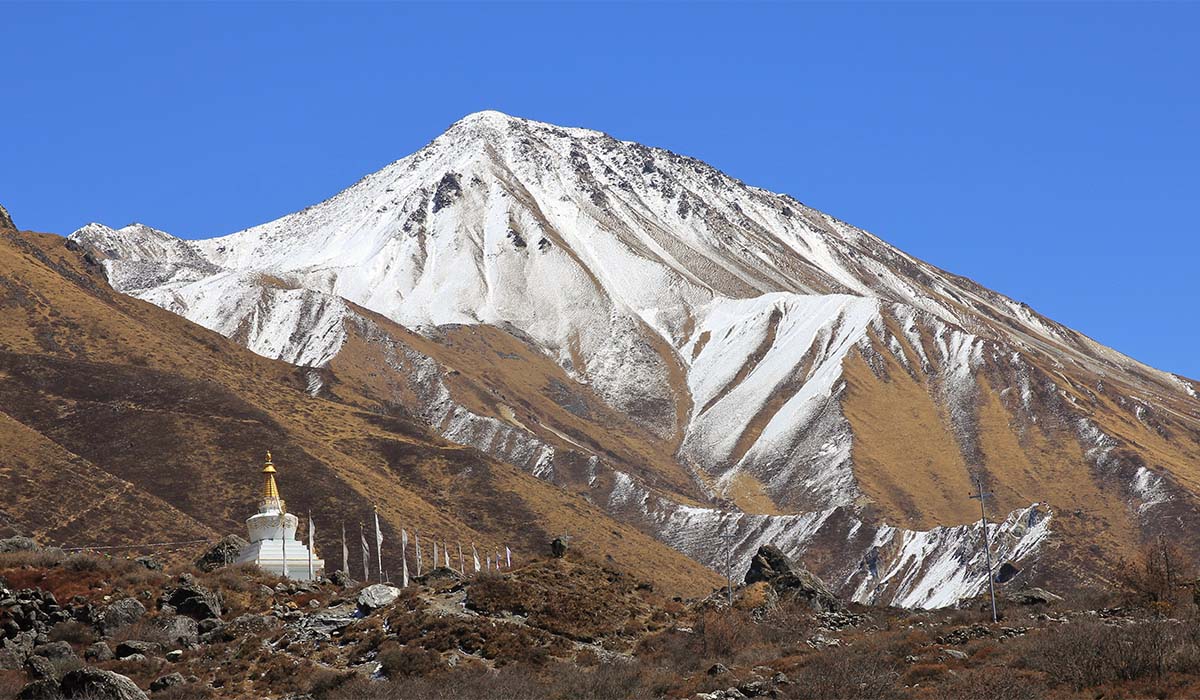
There are several aspects leading to the moderately challenging nature of the trek. Even though the Langtang Gosaikunda trek is achievable even for the newbies, it still presents a few challenges that demand a little preparation. With that being said, here is a detailed description of some of the key difficulty factors of the journey:
Altitude gain and Acclimatization days
The highest point of the trek is Lauribina Pass with an altitude of 4,610 meters. Starting from 1,500 meters at Syabrubesi and moving to 4,000+ meters at Lauribina within a few days increases the possibility of Acute Mountain Sickness (AMS). Therefore, before attempting this pass, an acclimatization day at the Kyanjin Gompa (3,870 meters) is necessary.
Moreover, if trekkers feel unsure before ascending to the Gosaikunda lake (4,380 meters), an added rest day in Langtang Valley is a wise precautionary step to follow. Therefore, the rapid gain in altitude and notable trails above 3,000 meters add to the difficulty of the Langtang Gosaikunda trek.
Trail Gradients
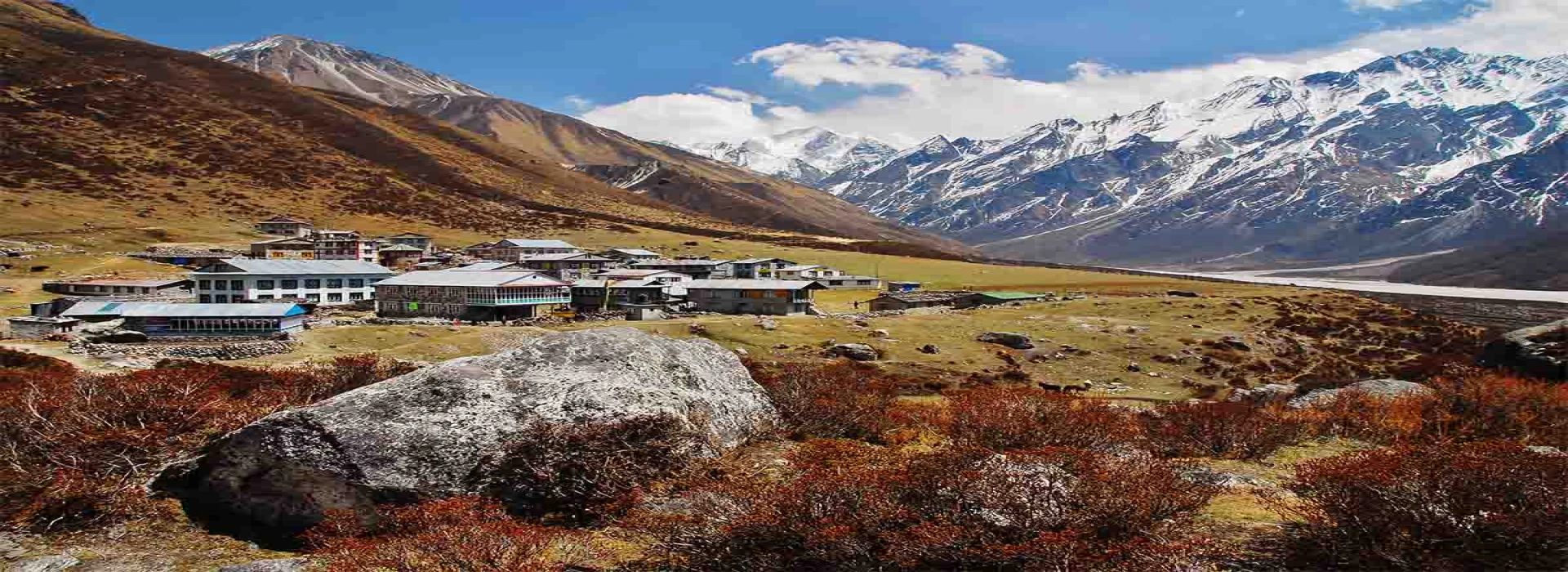
The route of the Langtang Gosaikunda trek is a combination of the valley trails, steep ascents and descents, moraines, rugged terrains, and a high altitude pass. The trail leading up to Syabrubesi consists of easy riverside walks before a slight uphill climb to Lama Hotel via Rimche. From here until arriving at the Langtang village, the route requires a steady but not strenuous climb.
The trail leading to Thulo Syabru is a blend of downhill stretches and uphill scaling. Once the trek enters the Gosaikunda region, the routes get much steeper and physically demanding as the trek starts gaining more altitude.
Crossing the Lauribina pass is the most difficult part of the trek, both altitude and gradient wise. This section is challenging due to its sharp inclines, rocky paths, and the presence of thin air.
Daily Walking Hours
A typical day on the Langtang Gosaikunda trek requires approximately 6 to 7 hours of walking. While the duration can fluctuate based on your personal pace and trail conditions, several sections are shorter, such as the trek from Chandanbari to Gosaikunda (about 5 hours) and Langtang village to Kyanjin Gompa (about 4 hours).
Conversely, be prepared for longer trekking days, like a return from Kyanjin Gompa to Lama Hotel (7 to 8 hours). Moreover, expect slightly longer walking hours if weather conditions are bad, especially at the higher sections. Since thinner air naturally causes your walking pace to slow down.
Fitness And Physical Preparation
It is important to figure out the most challenging parts of the treks and prepare accordingly. For treks like Langtang Gosaikunda, both mental and physical states matter. Opt for cardio and strength-building exercises to prepare for steep and rocky routes. Also, practice exercises that improve your cardiovascular health.
It is good to go on a few short hikes, jogging, and cycling at least 3 months before the trek. This improves legs and core strength, helping trekkers improve their stability. Muscle stiffness and fatigue are very common in treks like Langtang Gosaikunda. So, incorporate flexibility training with light yoga, calf stretches, hamstring stretches, and hip flexor stretches.
Breathing exercises like diaphragmatic breathing and slow nasal breathing improve your lung capacity and enhance oxygen delivery. Lastly, mental strength is as important as the trek demands patience and a positive mindset. Being calm and composed in the trail is important so that you can push through long days and challenging high-altitude regions.
Weather And Seasonal Challenges
The difficulty of the trek also depends on the weather conditions and the season you pick. The most favourbale time for the trek is during the spring season (March to May) and autumn season (September to November).
These two peak trekking seasons present moderate temperatures, clear skies, stable weather, and luscious vegetation. However, early May may still carry a bit of lingering snow at higher elevations. Also, expect light and occasional pre-monsoon rainfall in late spring.
Similarly, early autumn has colder evenings and light snowfall, especially in higher areas like Lauribina Pass. But this is not a major concern, as with the help of proper trekking gear and a slow pace, you can get through it.
The monsoon season brings lush and vibrant vegetation. At the same time, prolonged rain makes the trails damp, slippery, and difficult to walk on. The condition of the trail usually improves as you move higher up to the valley section of the trek. While trekking in the monsoon season, have waterproof jackets, trekking pants, sturdy trekking shoes, and carry a raincoat. Due to fewer crowds and serene views, this can be one of the best times for people who love their solitude if you do not mind the wet surroundings.
Lastly, the winter season experiences light to moderate snowfall in the midlands and quite heavy snowfall in the higher sections. On the positive side, this season offers fresh air, fewer crowds, and excellent visibility. During this time, trekkers need to take extra care on the trail.
Physical Difficulty

The first physical difficulty causing factor of the trek is the daily 6 to 7 hours walk, which can get extremely tiring. Moreover, on higher areas with steeper trails and major elevation gain, like Lauribina and Gosaikunda, you may have to walk for even longer periods.
Likewise, the route contains several uphill climbs with continuous ascent. Trekking through the Lauribina Pass is the hardest day of the trek, given the steep sections combined with thin air and higher altitude can cause altitude sickness. Therefore, in this region, move steadily, keep hydrating yourself, and eat nutritious food.
Langtang Gosaikunda is a non-technical trek, meaning it does not need any expert mountaineering skills. However, be prepared for the rocky, uneven, rugged, icy paths. Especially in the winter and rainy season, while trekking through higher and steep trails, have proper footwear and other gear.
Altitude Related Difficulty

As soon as you cross the 2,500 meters to 3,000 meters in the trek, you may notice some discomfort or signs of altitude sickness. The first major altitude gaining point of the trek is when you move from Lama Hotel (2,380 meters) to Langtang village (3,430 meters). From this point onwards, the altitude gain is gradual.
Most of the trekkers may feel the early signs of discomfort while trekking to Kyanjin Gompa. Moving forward from Kyanjin Gompa, the air gets significantly thinner. At the Lauribina Pass, the elevation is at the peak of the trek, so feeling symptoms of AMS is expected. Before attempting these sections, take rest days and let your body adapt to the environment.
Even with acclimatization days and proper safety precautions, you may feel mild symptoms of AMS, like headaches and dizziness. With some rest and medicines like Diamox, these signs should soon disappear, and your body should be back to a stable state. However, if symptoms of altitude sickness worsen and you feel breathlessness or blurry vision, then descend down and rest up there until you feel better.
Weather And Seasonal Difficulty
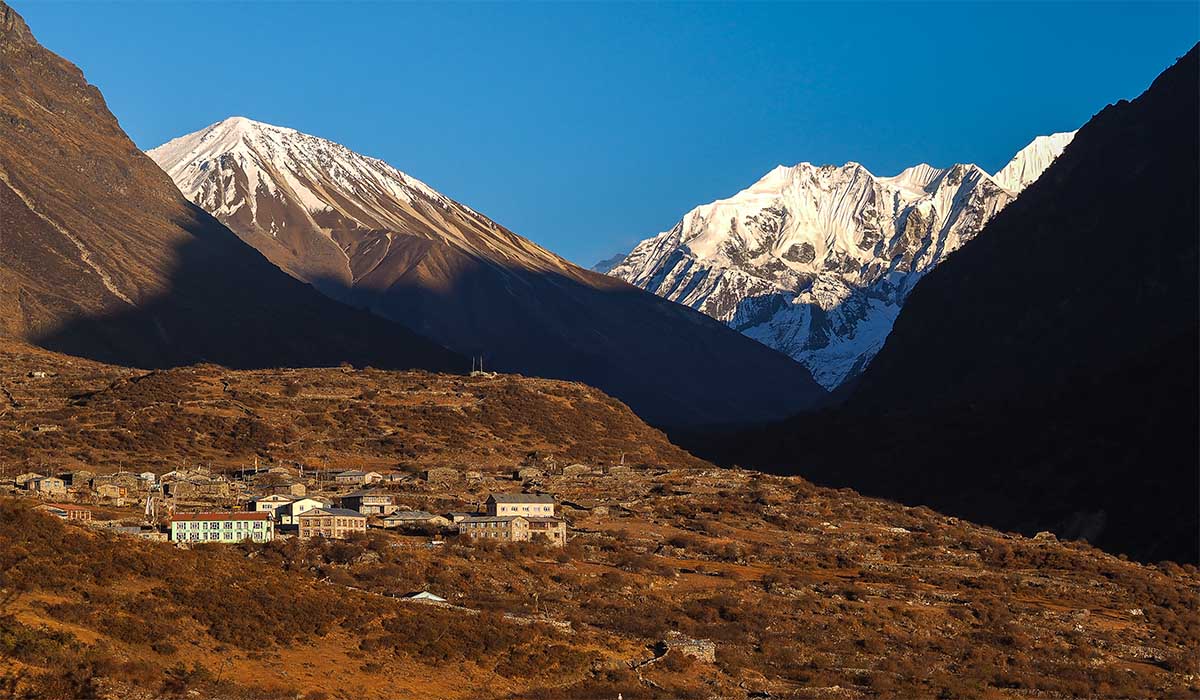
Difficulty In Spring
The Langtang Gosainkunda trek in the Spring season is comfortable due to the dry and firm trails, good weather conditions, and excellent visibility. Walking long hours during the day with warm weather can be irritating and energy draining. So, drink enough water, apply sun protection, and wear a hat to protect yourself from the heat.
At the beginning of the season, the weather can still be slightly cold, and there may be snow residue in the higher elevations. In the lower regions the average temperature ranges from 10°C to 18°C. Similarly, in the mid region it is 5°C to 12°C, and in the higher region it falls down to about –3°C to 5°C. Likewise, the trails and teahouses are very crowded during this time. Other than that, spring adds no major difficulty factor to the overall trek.
Difficulty In Monsoon
During the monsoon/rainy season, expect moderate to heavy continuous rainfall. This weather condition causes the paths to be muddy, wet, and difficult to walk on. Moreover, this weather condition influences landslides and rockfalls, especially in the Dhunche and Syabrubesi area. This can result in temporary blockage of the trail. Also, look out for the overflowing of the rivers and stay away from them.
The lower area’s average temperature is about 12°C to 20°C. Likewise, the mid region’s average temperature scales from 8°C to 15°C. Lastly, in the higher zones, the average temperature drops and reaches about 0°C to 7°C.
However, keeping up with the weather forecast, wearing proper gear, and walking with caution decrease the difficulty of the trek in the rainy season significantly. In fact, this period brings the best panoramic views, and the trails are less busy, offering a peaceful and visually fulfilling trekking experience.
Difficulty In Autumn
Similar to the spring season, the autumn season provides the best trekking conditions. The trails are generally dry and stable, which improves visibility and reduces the physical strain of long walking days. Moreover, it brings excellent mountain views and safer navigation. The approximate average temperature in this season is about 10°C to 17°C in the lowlands, 4°C to 10°C in the midlands, and –5°C to 3°C in the highlands.
The overall temperature is cool and calm, creating a perfect scenario for long, continuous walks.
The post-monsoon rain in early September can add to the difficulty of the trek. As this can cause trails to be wet and more humid. But the rain clears from mid-September, providing firm trails for the rest of the season. Another factor that may cause discomfort for some is the level of activity on the trail during autumn, as the trails and teahouses are filled with fellow trekkers.
Difficulty In Winter
Winter is one of the more challenging times for the Langtang Gosainkunda trek. This is because of the snowfall in the mid and highlands. In sections like Kyanjin Gompa and Lauribina Pass, snow accumulation in the peak winter period can make navigation difficult.
Moreover, the temperature drops extremely low, even below 0° Celsius, in the higher altitudes. An average temperature in the higher region in the winter is about –10°C to –2°C. Likewise, it ranges from -4°C to 5°C in the mid region, and in the lower region it is about 2°C to 8°C.
Daylight hours reduce in the winter season, which adds stress to trekking at a comparatively faster pace. During heavy snowfall, the trails can be blocked and closed down temporarily, forcing you to pause your journey. These blockages are usually cleared as quickly as possible, so this shouldn’t stop you from trekking in the winter season. However, the trek is still doable in winter as long as trekkers are well-prepared, have proper gear, warm layers, and follow caution on snowy or icy sections.
Difficulty Due To Logistics

In the Langtang Valley, accommodation is very well established, and other infrastructure is also developed. Teahouses here offer comfortable living arrangements with warm beds, blankets, western bathrooms, and hot and cold showers. A hygienic and well-balanced diet is offered. The menu incorporates a wide range of food and beverages. The most common food items include Dal Bhat Tarkari, noodles, Tibetan pancakes, omelettes, potato dishes, ginger tea, and milk tea.
As you move closer to Gosaikunda, the teahouses are more basic. But they still offer warm, cozy bedding and basic bathrooms and showers. Food choices may not be extensive, but every teahouse serves warm and healthy meals.
A lot of the trekkers underestimate the impact nutrition and hydration have on reducing the overall difficulty of the Langtang Gosaikunda trek. Your body loses moisture rapidly in higher areas, causing muscle cramping and worsening oxygen delivery. Therefore, you should stay hydrated. Also, eat carb-rich and nutritious foods to keep your body energized for long walks every day.
Even though it is completely up to you to either hire a porter or not, the difficulty of the trek significantly decreases when you have one. They carry your extra bag, which reduces physical strain on you, especially in steep and rocky terrains. So, having an experienced porter take care of your luggage makes the trek easier for you.
Lastly, choosing the right itinerary also matters in determining the difficulty scale of the trek. Shorter itineraries require a faster pace, adding physical strain to the body. To the contrary, longer itineraries allow slow pacing and provide more acclimatization opportunities. Overall, the longer and structured itinerary notably reduces the difficulty of the Langtang Gosaikunda trek.
Difficulty Comparison
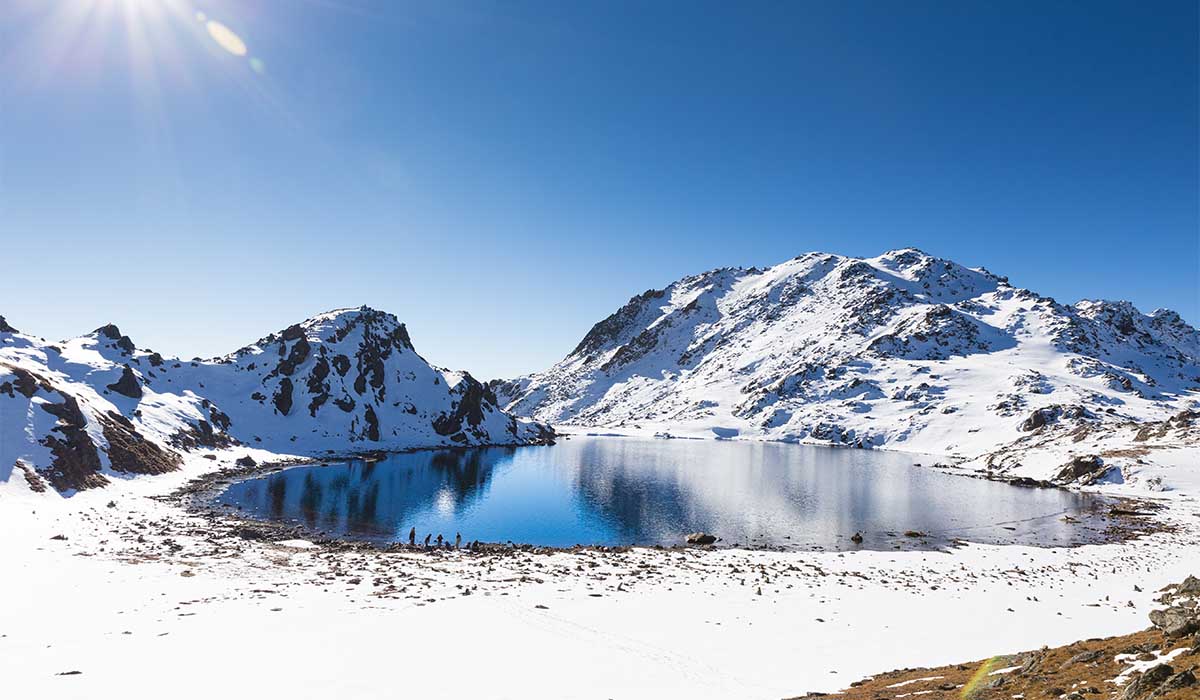
Langtang Trek Vs Langtang Gosakunda Trek
While the Langtang Valley trek concludes at Kyanjin Gompa (3,870 meters), the extended Langtang–Gosaikunda circuit continues to the sacred lakes and reaches the maximum elevation of 4,610 meters at Lauribina Pass (4,610 meters). This increase in altitude, coupled with the strenuous nature of the pass, makes the Langtang Gosaikunda trek more difficult and complex.
In addition to the physical challenge, the Lauribina Pass is frequently snow-covered, especially outside of peak seasons, demanding superior navigation skills. Furthermore, the combined Langtang Gosaikunda trek is lengthier than the Langtang valley trek, making it more physically strenuous and demanding. Therefore, the Langtang Gosaikunda trek is more difficult than the Langtang Valley trek.
Langtang Gosaikunda Trek Vs Annapurna Base Camp Trek and Everest Base Camp Trek.
When compared to both classic treks in the Annapurna and Everest regions, this one is more demanding than the ABC trek and less demanding than the EBC trek. It’s tougher than ABC because it includes a high pass, steeper daily elevation gains, and more uneven trails. Moreover, ABC has a more predictable trail, gradual elevation gain, and no high passes.
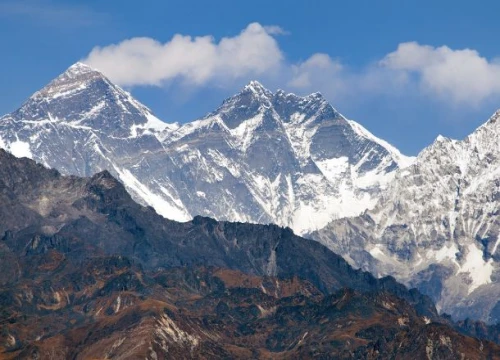
However, the trek is still easier than the Everest Base Camp trek. As the EBC route involves higher altitude paths that are well above 5,000 meters. And not to forget, it has an overall longer trekking duration. For trekkers seeking a challenging but achievable adventure without going extremely high, Langtang Gosaikunda is the best alternative to Everest.
Therefore, the Langtang Gosaikunda trek remains in between the Annapurna Base Camp trek and the Everest Base Camp trek in terms of difficulty.
Final Say
The Langtang Gosaikunda trek is moderately difficult, combining easy valley trails of the Langtang valley and more demanding ascents, rocky terrain, and the Lauribina pass of the Gosaikunda. It is one of the most beginner friendly treks of Nepal. Anyone with basic fitness can complete the trek with a uniform pace and enough rest days.
While altitude, weather, and long walking days add to the challenge. They are balanced by well-established trails, reliable teahouses, and rewarding acclimatization stops. For trekkers looking for a scenic, culturally rich, and moderately demanding himalayan journey without venturing into extreme high altitude, this trek offers one of the best experiences in Nepal.