Pikey Peak and Dudhkunda Lake TrekPikey Peak and Dudhkunda Lake Trek

Pikey Peak and Dudhkunda Trek

Highlights
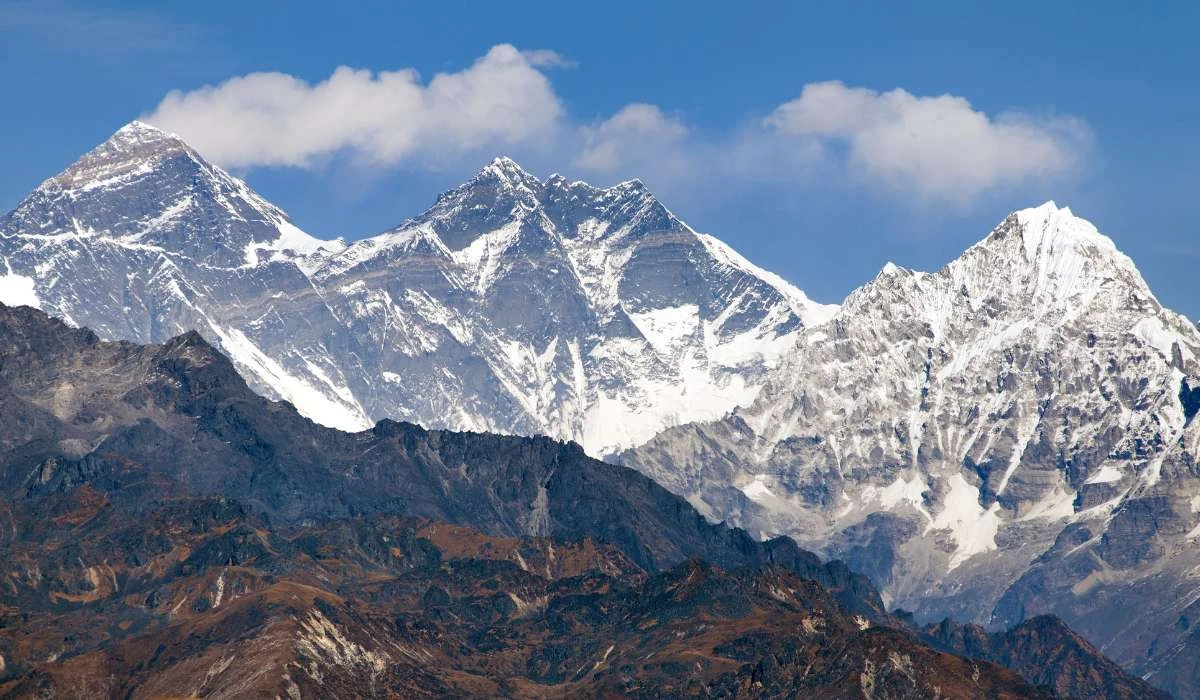
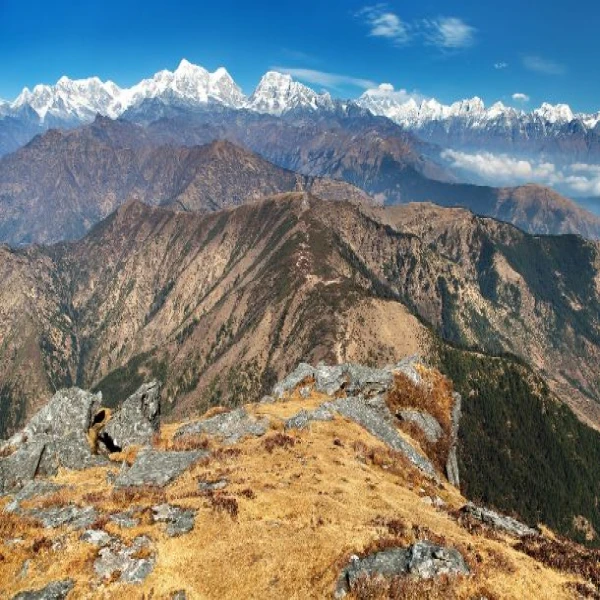
  • Panoramic scenes of Mount Everest, Kanchenjunga, Makalu, Lhotse, and the Annapurna range from the Pikey Peak viewpoint. 
  • Less commercialised Sherpa villages than in the upper Solukhumbu region.
  • Explore habitats interwoven with Buddhism and Hindu culture and traditions. 
  • Tranquil forests of vibrant rhododendrons encircle your surroundings.
  • A less crowded route, not including the Lukla flight.
  • Dudhkunda Lake, a holy high-altitude pilgrimage site. 

Pikey Peak Dudhkunda trek is the finest option for travellers seeking the quieter side of the Everest region. This journey blends panoramic vistas and spiritual peace perfectly, without the Lukla flight. 

The trek takes you from a popular viewpoint, Pikey Peak (4,065m), to a high-altitude pilgrimage site, Dudhkunda Lake (4,560m). Along the way, you’ll witness one of Nepal’s elite viewpoints, followed by the immersive serenity of the sacred glacial lake. Culminating at 4,560m altitude, this trek is ideal for those who are looking for a moderate to challenging adventure in solitude. 

Explorer Adventure offers an extensive 12-day itinerary for a fulfilling experience. Book with us today to savour the best of both worlds.

Pikey Peak Dudhkunda Lake Trek Cost
Pikey Peak and Dudhkunda Lake 

The Pikey Peak Dudhkunda Lake Trek with Explorer Adventure costs *** per person. It is one of the promising packages to trek the high Himalayas. The price mentioned covers overall preparations for the journey. 

From private airport transport, hotel booking at Kathmandu, trek accommodation, to the porters and guide management, along with permits, will be taken care of. Expenses like meals, drinks, insurance, and visa fees come under your responsibility. 

Given below are the determinants that may result in the total budget fluctuation: 

  • Size of your group: Cost distribution amongst the group results in a lower spending than a per-person cost. 
  • Seasonal duration: During peak seasons, the demand for services is high. 
  • Choice of transportation: A private jeep is more expensive than traveling on a tourist bus. 
  • Personal Expenditure: The food you prefer, a hot shower, Wi-Fi, charging electronics, and bottled water expand the budget.  

Is a Permit Required for the Pikey Peak Dudhkunda Lake Trek?

All necessary arrangements, including permits and documentation, are handled by Explorer Adventure. It is not just about protecting the wildlife here. You are actively contributing to making the initiatives of the local community come to life. 

One of our top responsibilities is to make sure that you do not face any hurdles regarding the permit. A free and legal access to the Himalayas waits for you to come explore it with no paperwork difficulties. 

Location of Pikey Peak and Dudhkunda Lake 
our guest on the way to pikey peak in nepal

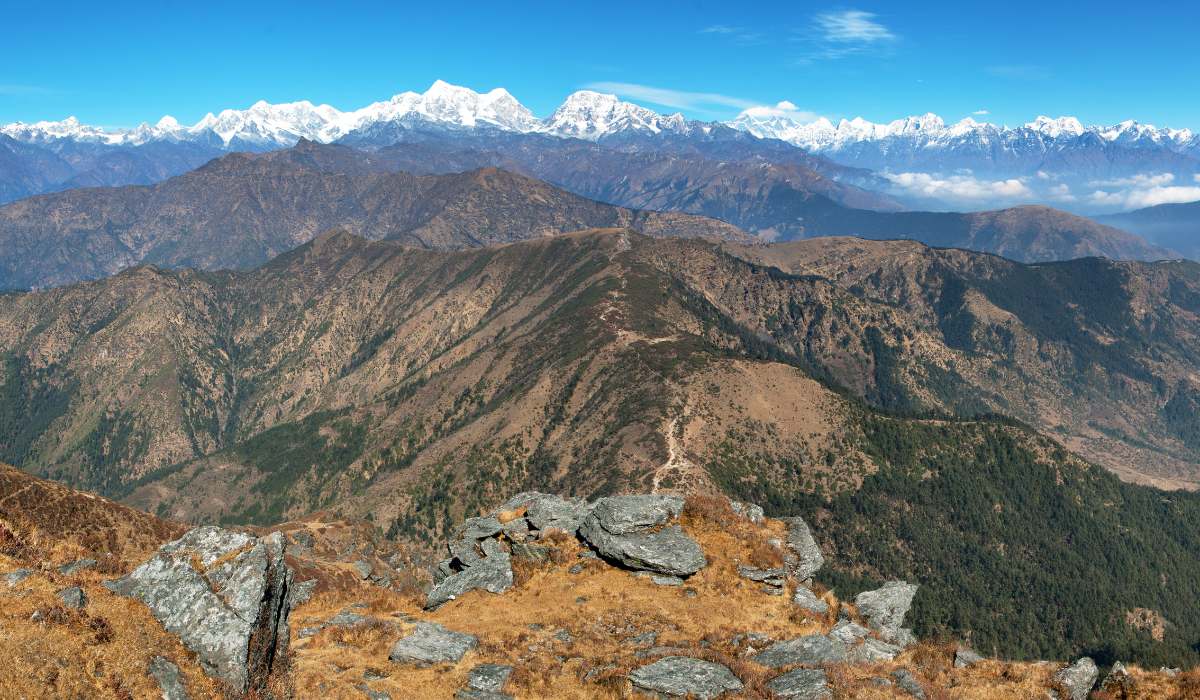
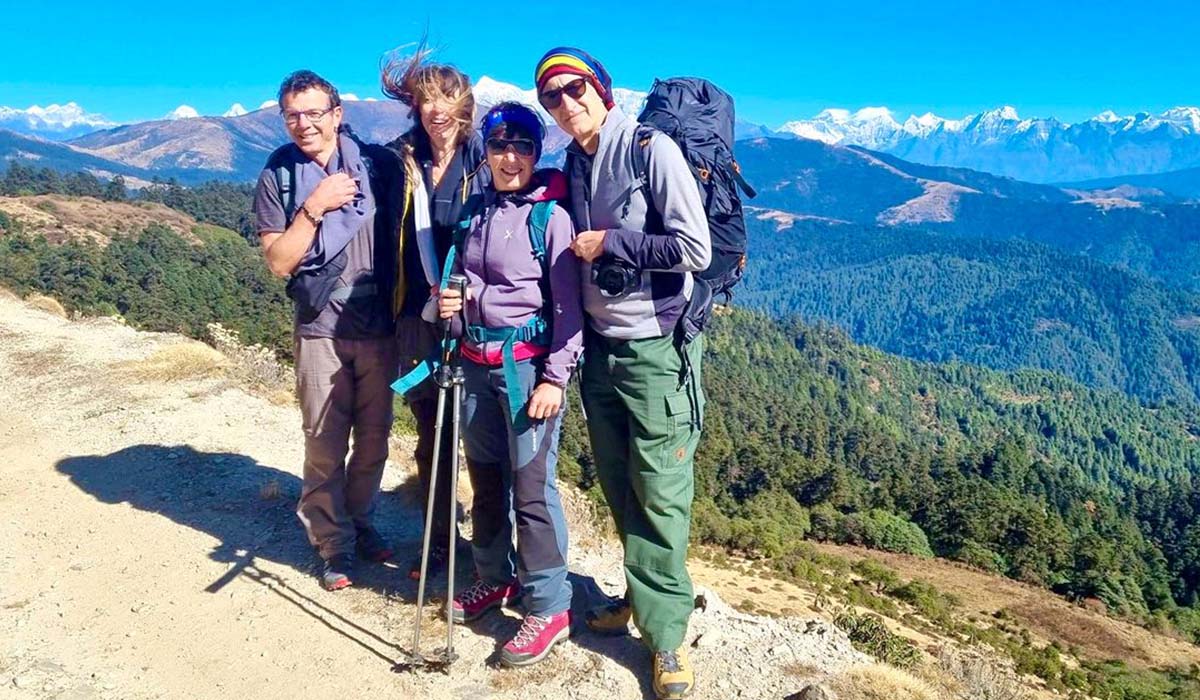
Both Pikey Peak and Dudhkunda Lake lie in the Solukhumbu district of Nepal. Pikey Peak, standing tall at an elevation of 4,065m, is found in the southern hills of the Solukhumbu. It is a tall, solitary hill that stands south of Mount Everest, Lhotse, and Cho Oyu. 

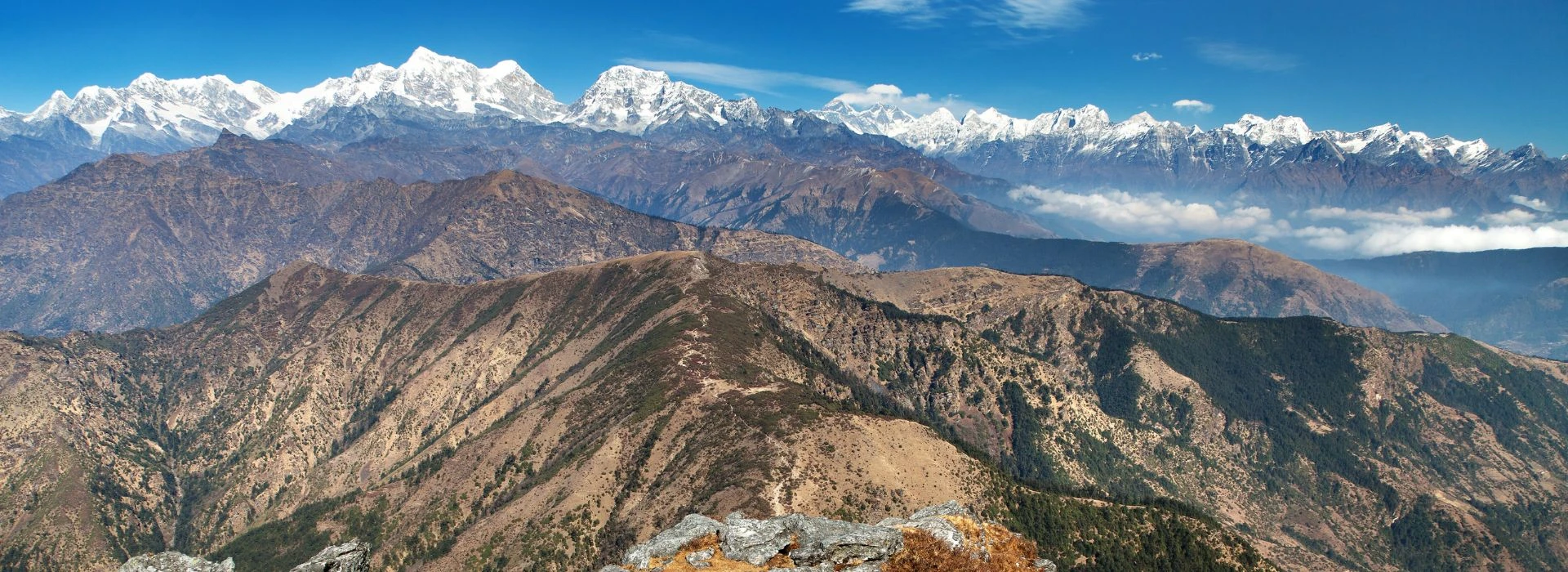
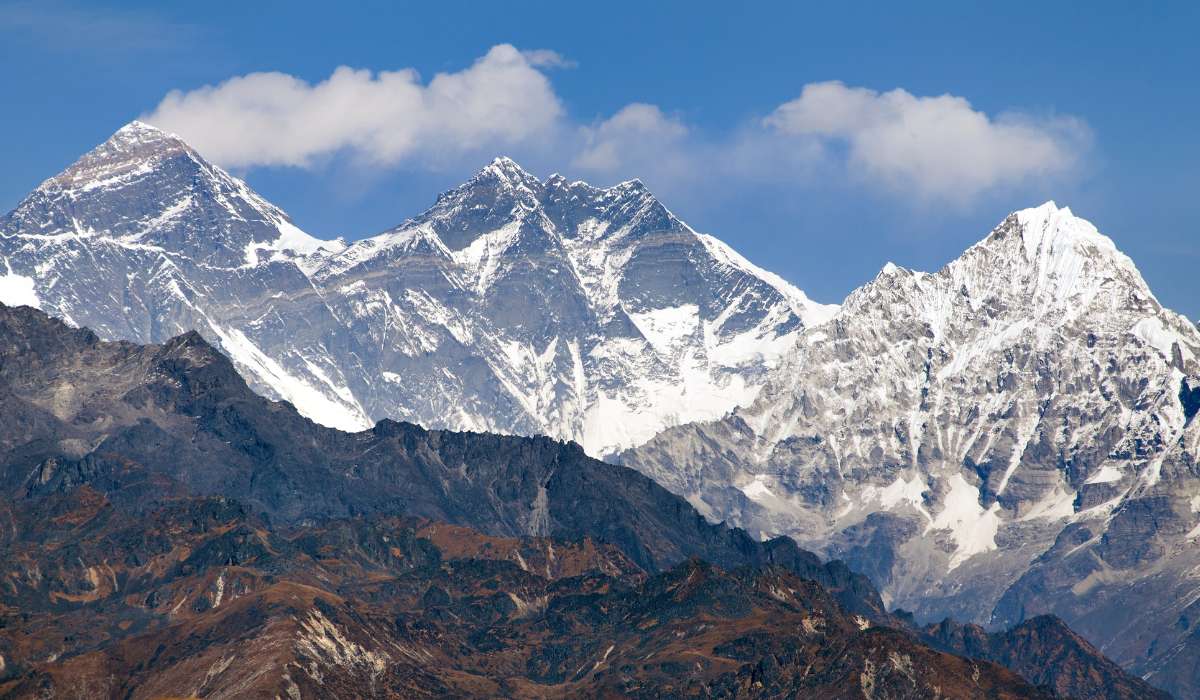
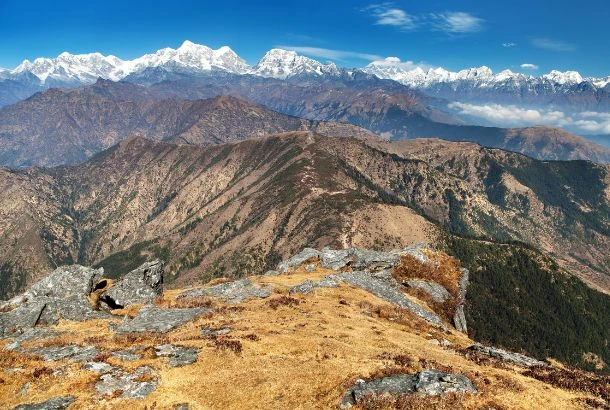
It is a high scenic viewpoint hill that provides one of the best panoramic views of several peaks. From East to the West, you will see views of Mt. Everest, Kanchenjunga, Lhotse, Makalu, Cho Oyu, Manaslu, Annapurna, and Shishapangma. Other prominent peaks include Mount Numbur, Gaurishankar, Thamserku, Kangtega, Ama Dablam, and Mera Peak. 

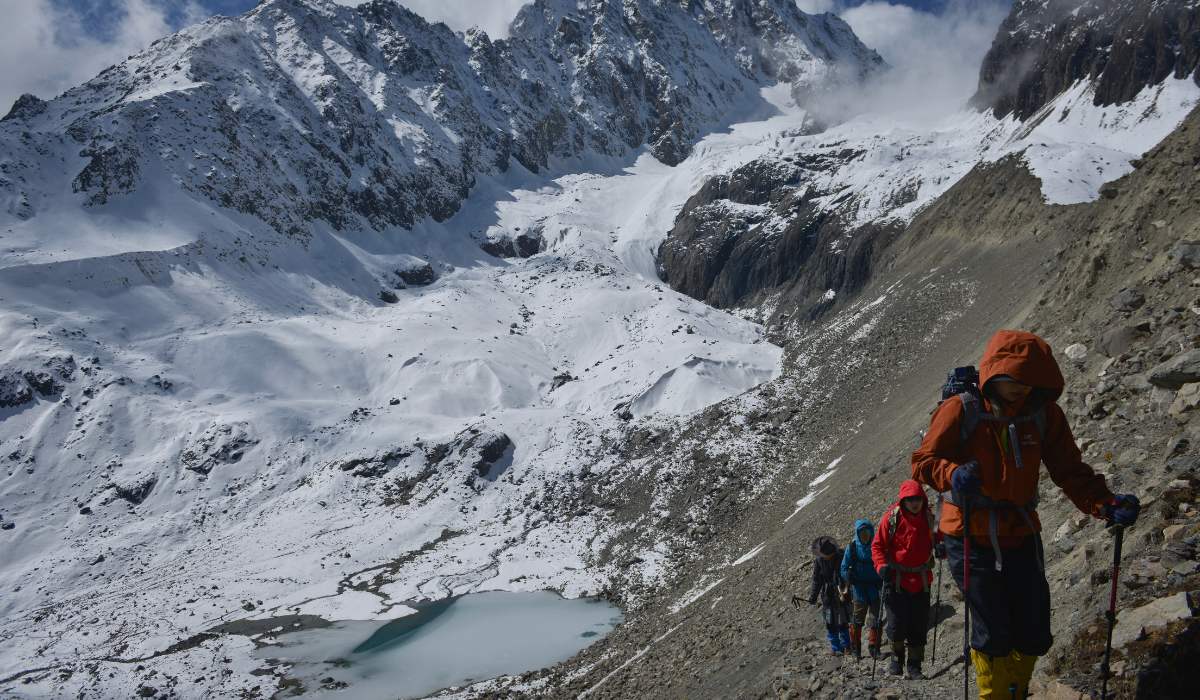
Dudh Kunda Lake is located further in the northern part of the Solukhumbu. Sitting peacefully at an elevation of 4,560m, it rests directly at the base of Mount Numbur and Karyolung. As this is a glacial lake, it is fed by the melting ice of the mountains above. 

Even the route between has beautiful spots. You will get to walk by the greenery of lovely villages like Junbesi and pass famous monasteries where monks live. This way, you explore two different transitional aspects of the route. 

It links the green, grassy hills of the peak to the rocky, icy world of the Kunda. Together, they cover the diverse landscape of the lower part of Solukhumbu. 

Pikey Peak Dudhkunda Lake Trek Distance and Duration
Pikey Peak and Dudhkunda Lake Trek

The Pikey Peak Dudhkunda Lake itinerary requires 75-95 kilometres of trek distance across the Solu region for completion. Our 12-day itinerary is carefully curated to balance acclimatization with physical obstacles. We guarantee that you have a safe ascent to the higher elevations.

For instance, we have specifically segregated the third day for your acclimatization. You will follow the “Climb High, Sleep Low” principle, ensuring you adapt to the thin air. 

Your journey starts with a scenic drive from Kathmandu to Dhap. Dhap is the entry point of the trek route, located in the Darchula district of Nepal. Gradually, through Jhapre and Bahuda, you will reach Pikey Base Camp (3,640m).

Then, we will shift our direction to Thutungcheli and Taksendu. Now comes the interesting part. You proceed with your packed lunch on a long, exhausting 8-11 hours of walking to Dudhkunda Lake.  Later, you have to descend to Phaplu. From there, you get back to Kathmandu in an 8-9-hour drive.

The trek exposes you to vertical climb, ridge walking, and high altitude. So, kindly make sure that you can walk 5-7 hours each day. Your fitness, endurance, and skills are what enable you to succeed.

How to Reach the Trailhead

Reaching the trailhead of Pikey Peak Dudhkunda Trek is very simple and accessible from Kathmandu. Unlike the upper Solukhumbu region treks, you do not have to deal with the uncertain flights. You will start from a scenic drive to Dhap that takes 8 to 10 hours. 

For the drive, you can choose between a private jeep or a bus. Once you arrive, take it as a sign to get prepared for your walking journey. From the next day, your paces begin with the trek towards Bahuda. 

It completely avoids the risk of flight cancellations, which are often faced at Lukla. This serves as a huge advantage. All in all, you will arrive at Dhap, traversing a reliable road, making the duration convenient and stress-free. 

Alternative Treks in the Everest Region

Everest region alternative treks

While the Pikey Peak and Dudhkunda trek provides solitude and panoramic vistas, there might be other options that fit your exact preference in the Everest region. Several alternative treks might match the experience you are seeking. Take a look below at some of the many treks you can embark on. 

The Everest Base Camp trek offers a beautiful vista of the world’s tallest mountain, Mount Everest. This is best for those who want to be constantly surrounded by the view of the high Khumbu mountains like Lhotse, Nuptse, and Ama Dablam. Everest Base Camp Trekking is also a great chance to explore old Sherpa villages in the highlands. Along with that, this trek is a great chance to visit the popular Tengboche Monastery. 

Gokyo Lake Trekking is, moreover, a perfect example of a scenic mountain trek. You walk through a pristine landscape of six turquoise glacial lakes of the Gokyo Lake system. Make sure you do not miss seeing how mountains reflect perfectly in the water. You can also climb Gokyo Ri (5,357m) to savour one of the best panoramic views in the entire region. 

Furthermore, Mera Peak Climb (6,476m) welcomes you even if you do not have advanced technical climbing skills. It is referred to as the tallest trekking peak of Nepal. You will experience the authentic thrill of an expedition with few technical challenges. With that, the vista of five 8,000ers, i.e, Everest, Lhotse, Cho Oyu, Makalu, and Kanchenjunga, is priceless. 

Each of these treks offers a delightful concoction of nature, culture, and peace. They liberate your spirit while you experience Everest in a way that’s fitting for you. Go ahead. Mountains are waiting. 

Explorer Adventure’s Customized Trek

As you embark on your Pikey Peak Dudhkunda Lake Trek, if any alterations are needed in the package, we are here for you. Explorer Adventure is always ready to tailor an experience according to your needs. You can visit the trails with your own personal take. Tell us your preferences, priorities, and timings. We are all ears for that. 

According to the distance and destination of your preference, the trip can all be altered. You can relay to us the cultural and scenic sights you want. Along with that, the addition of hobbies like photography, meditation, and festival attendance is one discussion away.   

We guarantee to meet the level of your comfort, flexibility, and personalization. It is always our topmost priority.  Along with that, you can trust us completely in allocating the guides and porters. 

Rest assured,  you will experience a thorough, adventurous immersion while possessing expert knowledge. 
Itinerary

Distance: 250 km
Duration: 8 to 10 hours
Elevation Gain: 1,532m 

You start your trip from Kathmandu by driving through the beautiful hills of Eastern Nepal. The road follows the sparkling Sunkoshi River and leaves behind the busy city. Along the way, you can see heart-warming views of rural life. It is a great time to enjoy the agricultural terraces carved into the valley cliffs and colorful markets. 

As the drive proceeds higher into Okhaldhunga, you will notice the air getting cooler and the plants turning into pine trees. Finally, you arrive at the little village of Dhap. If the sky is clear, you can see the Numbur Himal’s snow-covered peak in the distance. 

You will spend the night in a comfortable local teahouse before your trip the next day. Make sure you have a fulfilling dinner with the calmness of the hills.

    Distance: 10-14 km
    Duration: 4-6 hours
    Elevation Loss: 112m

    This is the day you start your walk. After leaving Dhap on a dusty road, you are transitioning into a beautiful path surrounded by rhododendron bushes. The more you walk, the more you will learn about the Solu region. 

    Along the way, you can see Mani stone carving on the walls. You will notice that the carvings are of prayers and colorful flags. This is a testament to how strongly the area is faithful to Buddhism. Afterwards, you move on to Jhapre. 

    Jhapre is a pretty town on top of a ridge. People know it for its old stupas and small monasteries. Then, fast forward to the best part of this day. Yes, the sunset view. As the sun drops, you will see Mount Everest and the Numbur range melting in the evening glow. It is indeed a great moment to relax and adapt to the high altitude. 

      Distance: 6-7 km
      Duration:  2-3 hours
      Elevation Gain: 530m

      The third day is all about active acclimatization. It is a perfect opportunity to let your body get used to the height. You will follow thick, quiet pine and fir forests after you depart from Jhapre. 

      The path is so silent that you will hear the birds singing and the wind in the trees clearly. Then, you will arrive at Bahuda. It is a peaceful place where you can grab your lunch. After a nice meal, you will drop off your heavy bags at the teahouse and go for a quick hike up a nearby hill. It is an unnamed grassy ridge above the teahouse. 

      Following the “climb high, sleep low” rule, this extra climb helps your body get used to the thin air. From the top, you can see the far-off peaks such as Numbur, Kayrolung, and the distant tip of Mount Everest with green hills in all their glory. After taking in the sights, you walk back to the lodge for a quiet night.   

        Distance: 6-8 km
        Duration: 2-4 hours
        Elevation Gain: 290m

        The trail slowly rises from the fields into the high mountain area. When you reach the Pikey Base Camp after a walk through thick, old trees, it will just be time for lunch. This area is also quite popular for its manufacture of local cheese and has rustic teahouses.

        If the weather supports, it makes a great time for you to walk to the top of Pikey Peak. It will take almost 1.5 to 2 hours for you to get there. You will catch a beautiful sunset after this climb. Pikey Peak is renowned for its beautiful sunsets and sunrise vista. 

        The view here is famous for its unforgettable scenery of snow-covered peaks turning into gold from the sun. You will definitely feel ecstatic and satisfied with the climb once you get to experience this. When you return to the teahouse after dark, your heart will be as warm as the meal you will have. If you are too tired, you can shift the climb to the early morning the next day.

          Distance: 3-4 km
          Duration: 2-3 hours
          Elevation Loss: 120m/ 690m

          Jashmin is a pass that is located high up on the ridge. And, Tator is a village in the valley you reach after you descend from the pass. After a proper sleep, you start to come down from the high mountains. If yesterday’s climb got postponed, the trek to Jashmin follows after that. 

          Today’s path takes you deep into the wild woods and away from the trail you recently followed. You will walk through thick oak and rhododendron forests that keep you cool in the sun. You might see Nepal’s national bird, the Danphe, or a musk deer hiding in the bushes. 

          You stay at Jashmin for the night. But, if you stayed the night at Tator, walking 1.5-2 hours from Jasmin, you would be walking a little less the next day. 

            Distance: 4-6 km
            Duration: 2-4 hours
            Elevation Loss: 600m/30m

            On the sixth day, you will have a shift in scenery. You will go from wild woods to a very spiritual place. You will continue trekking to Thutungcheli. Thutungcheli is famous for its Thupten Choling Monastery. It was founded by a teacher of the Dalai Lama. Many monks meditate here deeply in a strict retreat. 

            You will see many monks praying here. This is undoubtedly an important center for Tibetan Buddhism in this region. As you get closer, you might hear the soft sound of chanting and smell the incense. The monastery is in a quiet valley that is far away from other people, making it a great place to meditate and relax. 

            You will be able to see how the people live in an orderly way, go to the prayer hall, and spin the prayer wheels. If you spend the night near this holy place, you might feel the peace and harmony that are a big part of Sherpa culture. 

              Distance: 12-14 km
              Duration: 6-7 hours
              Elevation Gain: 40m

              Taksednu is the gateway through Dudhkunda. The path goes over the Taksindu La pass. Here, the area is covered in thousands of prayer flags that flutter in the wind. 

              After enjoying the stunning views, you go into the cold alpine woods to reach the Taksendu settlement. This is more than just a stop. It is the way to the holy DudhKunda and has a beautiful monastery of its own. It is known by the name of Taksindu Monastery. 

              The community is friendly and cozy, which makes it a great place to meet other travelers. After you check into a lodge, you will have a great dinner and a lot of time to relax. This day puts you in the best place for tomorrow’s big climb to the DudhKunda lake. 

                Distance: 14-15 km
                Duration: 8-11 hours
                Elevation Gain: 1600m

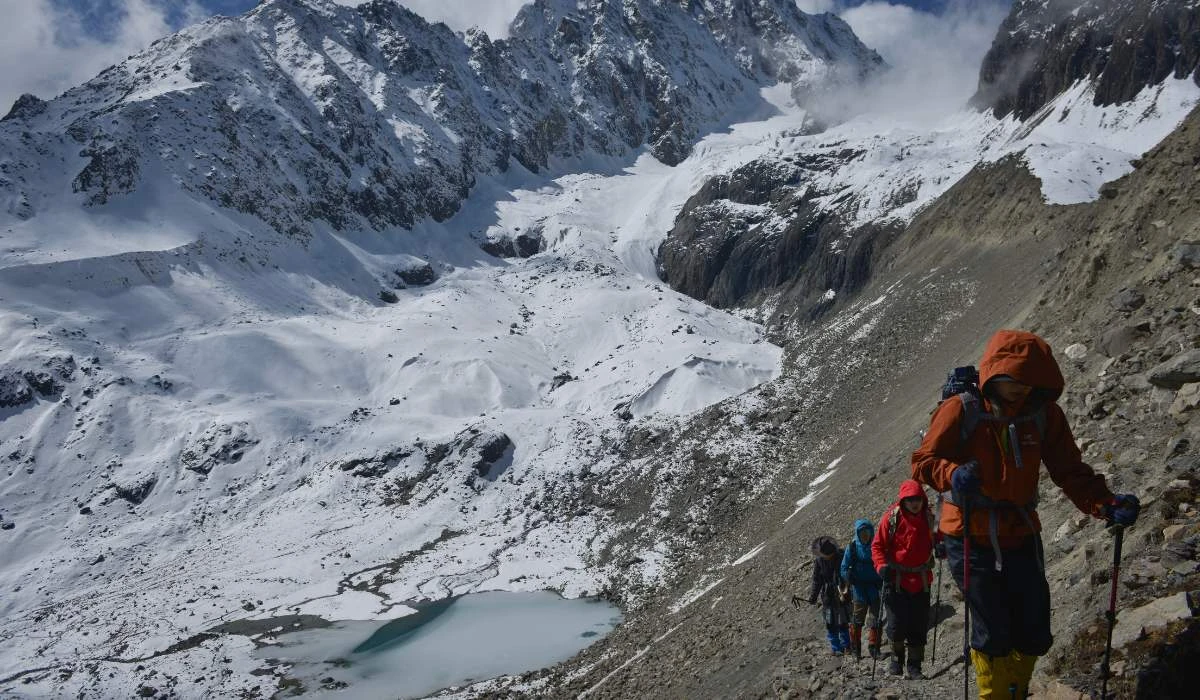
                Today is the hardest day of your trip so far because of the high elevation and glacial terrain. But it is also the most rewarding. The walk to Dudhkunda, which is also called Milky Lake, starts in the morning. It is up at the base of Mount Numbur (6,958m). So, an early start helps you get there before the afternoon clouds start appearing. 

                You won’t find any teahouses along the way, so make sure you have your lunch carried with you. When you reach the Dudhkunda lake at 4,560m, the view is breathtaking. Hindus and Buddhists both think the blue appearing water, due to glacial flour, is holy. It is believed that the significance of the water is linked to Lord Shiva, Manjushree, and ancestral souls. 

                When you eat lunch by the lake, you will be guarded by the silence of this place. Along with that, you will see the snow-covered peak all around you. You can either camp nearby or go back down after taking pictures and taking in the atmosphere. 

                  Distance: 14-15 km
                  Duration: 7-9 hours
                  Elevation Loss: 1600m

                  Today, you are returning to Taksendu. You can see things from a new perspective when you take a step back. Instead of looking up at the rock and ice, you look down at the green valleys. 

                  The rocky path requires care, but the way down is easier on the lungs. As you go down, the air gets warmer, and the trees come back. You will most likely get to smell the trees and hear birds singing again. 

                  Going back to Taksendu will feel like home as the teahouses welcome you with heartwarming smiles and sweet tea. This is also the perfect time to relax and enjoy a warm bed after a long day. 

                    Distance: 10-11km
                    Duration: 5-6 hours
                    Elevation Loss: 547m

                    On the last day, walking to Phaplu is a beautiful and enjoyable experience. You will walk through Ratmati, enjoying amazing views of the mountains that constantly surround you. As you depart from the mountains where you stayed for days, you walk back with a full heart. 

                    The trail proceeds through traditional Sherpa towns. You will see people growing crops and taming animals as you pass by. This is a leisurely walk. So, you do not have to go through hard climbs. As you descend to Phaplu, you will notice the availability of necessary infrastructure, like an airport, hospitals, and electricity. It feels like returning to civilisation. 

                      Distance: 266-275 km
                      Duration: 8-9 hours
                      Elevation Loss: 1013m

                      You leave the mountains today and go back to the city. It would take approximately 8-9 hours to drive back to Kathmandu from Phaplu. The path follows the hills, rivers, and a lot of small towns. 

                      Today is your day to relax while you look outside at your window view. From the holy waters of Dudhkunda to the sunrise at Pikey Peak, it is a great moment to revisit all of those memories. It takes seven to nine hours to drive. 

                      When you first get to Kathmandu, the city may seem crowded, but you will be happy to go back to your hotel. You can enjoy a hot shower and have one last meal in the city to remember a safe and good trip. 

                        Today is the official end of your trip. Depending on when you arrive, you might have a few hours to walk around Kathmandu’s streets or buy souvenirs.

                         As you pack your bags, you remember the beautiful scenery, the people, and the peace you found in the Himalayas. Private transportation is arranged to drop you off at the airport. As the plane takes off, you can see the mountains one last time through the window. It is for sure that you will always remember how nature and spirituality came together for you. 

                          What's Included
                          • Pick you up and drop at the airport in a private vehicle
                          • Three nights in a standard hotel in Kathmandu on a twin-sharing basis with bed and breakfast 
                          • Two-way drive via bus or jeep (Kathmandu to Dhap & Phaplu to Kathmandu)
                          • A guide who holds a government license
                          • A helpful porter will be allocated for two people with proper equipment
                          • Salary, food, accommodation, and insurance for the guide and porter
                          • A tea house/ lodge accommodation on a twin-sharing basis
                          • The needed permits for the trek are taken care of 
                          What's not Included
                          • The international flight to Kathmandu 
                          • Porters’ tip ($70-$100) and Guides’ tip ($80-$100)
                          • The Nepali visa ($50) is to be self-managed. 
                          • Make sure that you have your insurance covered. 
                          • For food and drinks, a segregation of $20-$30 per day is required. The price of drinking water changes with the altitude. 
                          • Some places charge $2-$5 for hot water, wifi, and battery charging. 
                          Useful Information

                          best time for pikey peak trek is spring march to may

                          Best Time for Pikey Peak Dudhkunda Lake Trek

                          From February to June and September to November, you will have the best experience in the Pikey Peak Dudhkunda Lake trek. These are the periods that reward you with the most comfortable balance of weather and scenery. 

                          Spring, starting from March to May, offers warm, sunny days. The temperature during this time ranges from 10°C to 20°C. You will get to see clear mountain views with blooming rhododendrons. 

                          From June to August, the month of summer/monsoon, has warmer weather. The temperature around this time of the year expands to 25°C. The month of June is recommended for the trek. This month is the month of lush greenery and solitude. However, you should come prepared for slippery trails, leeches, and predictable midday rain, strictly adhering to the weather forecasts. 

                          Moreover, Autumn, from September to November, is the best time for beautiful, clear skies and stable weather. The daytime temperature varies from 10°C to 20°C. But you should expect significantly colder nights. 

                          Ultimately, Winter lasts from December to February in Nepal. It is a perfect season if you want quieter routes and razor-sharp vistas. However, the temperature during the day scales from 5°C to 15°C, and you have to be prepared for freezing nights. Also, expect potential route blockages due to heavy snowfall. 

                          On the other hand, February is exceptionally ideal. It is a transition phase where winter cold starts giving way to Spring’s warmth. However, patiently following weather forecasts is very crucial. Severely cold nights and snowfall can still impact the experience. 

                          Difficulty Level

                          The difficulty level for this trek ranges from moderate to challenging. Pikey Peak is indeed ideal for beginners. However, Dudhkunda Lake’s difficulty level can extend to be extreme. In Pikey Peak, the height gain is beginner-friendly. Unlikely, the 4,560m elevation of the Dudhkunda lake demands both endurance and experience. 

                          The primary difficulty arises at the high altitude of the lake. The thin air here increases the risk of Acute Mountain Sickness (AMS). The route is steep, rocky, and lacks basic facilities as well. So, a fitness that can tackle these obstacles is highly essential. 

                          It is recommended to start training 4-6 weeks before your embarkation. You should also prioritize your cardiovascular endurance by running and cycling. It improves your lung capacity and leg strength. Also, do not forget to train with a weighted backpack.

                          For experienced ones who have done EBC or ABC treks before, this journey will simply serve as a palate cleanser. The technicality of the trek won’t be severe in this condition. You can freely look around rather than constantly watching your footing. 

                          Is Altitude Sickness a Risk on this Trip?

                          As the elevation reaches up to approximately 4,560m at Dudhkunda Lake, yes, altitude sickness can be a risk. Kindly note that the risk of altitude sickness starts around the elevation of 2,500 meters. But for people who attempt to ascend quickly, it can hit even earlier than expected. 

                          Take it as a suggestion to gradually climb the Pikey Peak with the climb high, sleep low principle. Also, by implementing the measure given above, this trip will definitely be a manageable and rewarding experience. 

                          Moreover, habits that do not serve you well, like drinking alcohol and consuming caffeine, should be strictly avoided. You also have to ensure having carbohydrate-rich foods like rice and bread in your diet. Finally, do not ignore the symptoms. If you feel sick, take a pause. Remember that you have to promptly climb down if it does not get better. 

                          Solu: Lower Region of Solukhumbhu 

                          It is known as the green gateway to the Himalayas. The region is covered in lush forests, seasonal rhododendrons, and farmlands. It is situated at a lower elevation. So,  the weather is milder, and the air is not that thin in comparison. 

                          Locally known as “Shorung”, you will witness locals here are still actively engaged in agriculture, believe in communal help, and are devoted to their traditions. Regardless of being quieter and less busy than the upper Everest region, Solu does not disappoint in rewarding with stunning views of magnificent snow-capped peaks. 

                          Traditional Villages Along The Way 

                          This trek navigates you to the authentic Sherpa habitats. You will see traditional stone houses and detailed mani walls. They symbolise the deep spiritual heritage of the Solu region. 

                          Additionally, the locals here invite you with genuine warmth. This intrigues you into seeking a view into their lives, customs, and beliefs even more. Whether it is a morning ritual or sharing a meal in a family-run teahouse, this trek allows you to understand how Sherpa inhabitants live. 

                          Flora and Fauna 

                          You can spot flora and fauna like the Red Panda, the Himalayan Monal, Rhododendrons, and Himalayan Thar in your trek to the Pikey Peak and Dudhkunda Trek. Look for Red Panda in the bamboo groves of the forest between the base camp and Jase Bhanjyang. Further, you can notice the Himalayan Monal commonly near Thupten Choling and the Himalayan Thar on the rocky cliffs above the tree line. 

                          Insurance Policy for Medical and Travel 

                          You must take care of your travel and medical insurance before you join our trip. The beauty of mountains comes at the expense of mercurial weather. An insurance covering the medical bills, and significantly, a helicopter rescue, is very important. 

                          In case of emergencies, flight arrangements, and abrupt discontinuation of the trek, the insurance policy must cover costs that may arise. So, kindly find a responsible policy in your home country that covers high altitudes. This is very helpful for your safety.

                          Our Guides and Porters

                          The guides and porters that we allocate for you are veteran professionals. Making sure you are comfortable is their top priority. Our guides are the experts who know the routes perfectly. Each of them has also completed basic medical training in handling Acute Mountain Sickness (AMS). 

                          If any medical conditions get severe, they’ll responsibly organize a prompt transport to a medical professional. Explorer Adventure picks regular porters of the company. Each porter will bear a baggage of a maximum of 25 kg. 

                          Packing Ideas 

                          packing list for pikey peak and trek

                          Clothing and Footwear

                          Head and Hands

                          • A sun cap or a sun hat. 
                          • A warm hat 
                          • A neck gaiter
                          • Two pairs of gloves
                            • Thin liner gloves 
                            • Thick gloves 

                          The layering system 

                          Merino wool is highly recommended as it helps pull the sweat away from your skin. Avoid cotton at all costs. 

                          • 2-3 short and long-sleeved trekking shirts. 
                          • A fleece jacket or a woollen jumper 
                          • A windproof and waterproof hard-shell jacket. 
                          • A high-quality down jacket rated for -15°C to -20°C

                          Lower Body: 

                          •  Thermal trousers 
                          • Zip-off trousers
                          • Waterproof over-pants

                          Footwear

                          • A trekking boot 
                          • A light sneaker or sports sandals. 
                          • 4-5 pairs of heavy trekking socks

                          Required Equipment

                          Bags

                          • An 80L duffel bag. 
                          • A daypack of 25-35L.
                          • A sleeping bag that is rated -10°C to -15°C. 

                          Technical Gear

                          • Trekking poles. 
                          • A Headlamp
                          • Sunglasses with 3 or 4 UV protection. 
                          • 2L plastic or metal water bottle

                          Toiletries

                          • Quick-drying microfiber towel.
                          • Wet Wipes
                          • Sunscreen 
                          • Lip Balm 
                          • Sanitizer and soap
                          • Toilet Paper

                          Medical and First Aid

                          • Chlorine Tablets, Iodine, or a Steripen. 
                          • Painkillers, Blister plasters, electrolytes, and Diamox. 

                          Electronics and Documents 

                          • Power Bank that has a capacity of 20,000 mAh. 
                          • Passports, a copy of your insurance, and cash for spare spending. 

                          You may also like: 

                          Pikey Peak and Dudhkunda Trek FAQs

                          • This route remains less crowded than the EBC route because it has a different entry point. Those who travel through the Solu route begin their trek much lower down in the Solukhumbu district.

                            It is also not necessary to travel via the infamous Lukla flight for this trek. That’s why you are walking on a comparatively longer route than the overall EBC trek. By choosing this, you are opting for a route that is less travelled. 

                          • Yes. It is a very holy place. People believe that dipping your body in its waters will wash away your bad deeds and attract peace

                            Moreover, in August, people celebrate an auspicious festival called Janai Purnima. More than tourists, you will get to see the pilgrims visiting the lake to pray. They bathe in cold water as an act of purgation.

                          • Pikey Peak is a well-known trekking spot in Nepal that offers much more than just a good view. However, for the locals there, Pikey Peak is more than just that. They believe there’s holistic significance to the place as well. The name “Pikey” is derived from a local Sherpa god named Pikey Hlapchen Karbu

                            In his reverence, every year in July’s full moon, local people tend to climb to the top to worship. They have a practice of burning incense and hanging colourful prayer flags to thank the god during this time. 

                          • Yes, Pikey Peak is a hill. Early trekkers and villagers mistook it for a peak and misnamed it as so, rather than a viewpoint hill. 

                            A majority of peaks in Nepal stand taller than 5,000m. Pikey Peak is just 4,303m and is mistaken for a peak. It is, thus, a high hill or a viewpoint that offers you the views of Everest, Lhotse, Makalu, and countless others. 

                          • Yes, there will be lodges. You can enjoy the benefits of the lodges that have been built throughout the years. An arrangement in simple but nice lodges throughout the trek is made. 

                          • Two distinct landscapes come together through this trek. Pikey Peak welcomes you with blooming rhododendrons, pine forests, and a stunning 360 view from the top. Moreover, Dudh Kunda Lake lets you explore Sherpa habitats and monasteries like Thupten Choling. You can expect a peaceful, uncrowded route as well. 

                          • Yes. Lower villages like Phaplu have good connectivity and full electricity, but it is not the same for higher elevations. Also, in case you need to charge your electronics or need a hot water bath, you will be charged for it. 

                            So, it is very important that you carry your power bank for battery backup. For headlamps and any other devices needing batteries, carry spares. Downloading an offline map will be very helpful in your journey, too. 

                          SimilarTrips