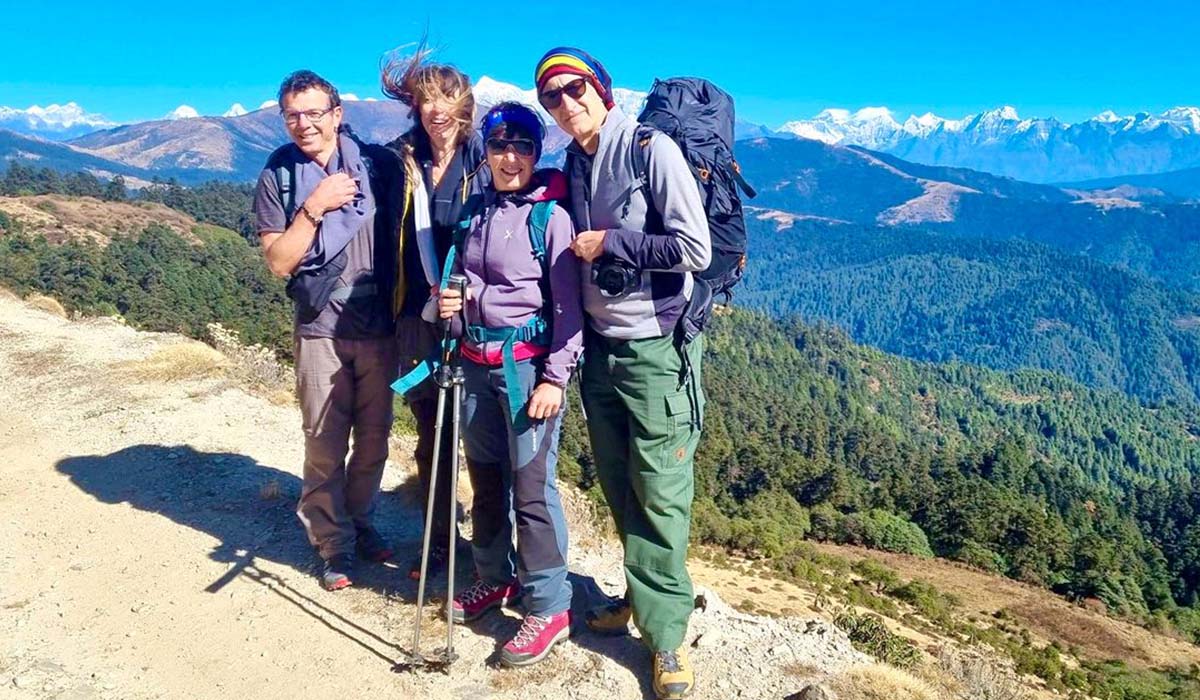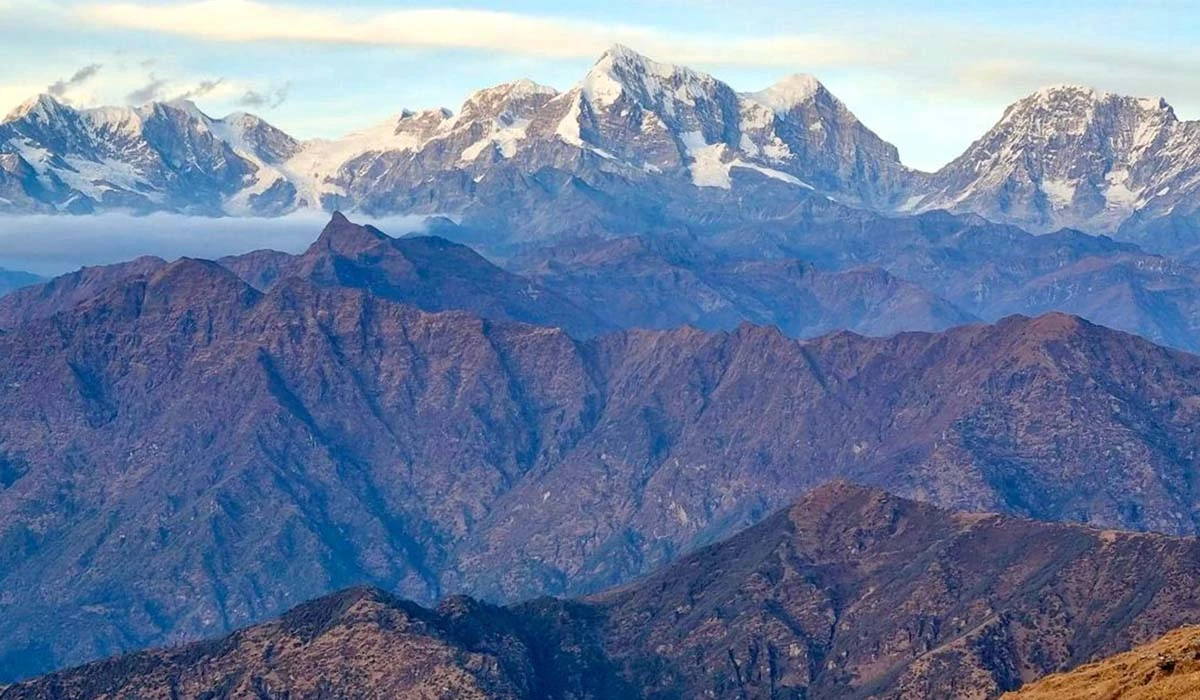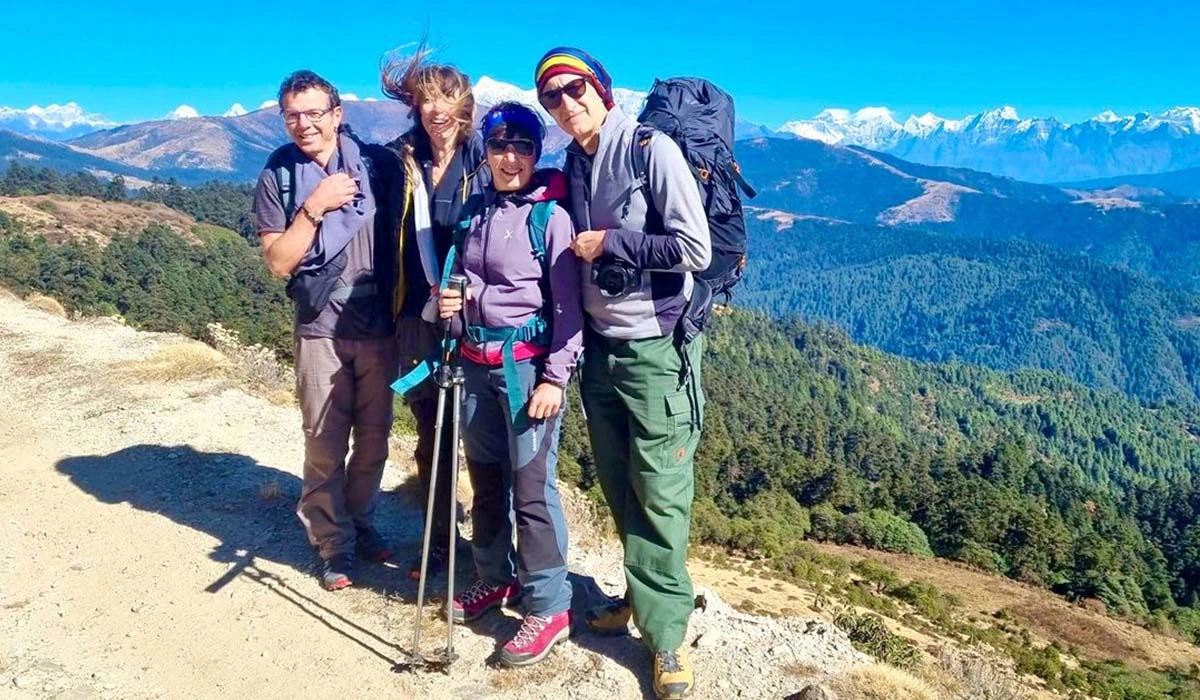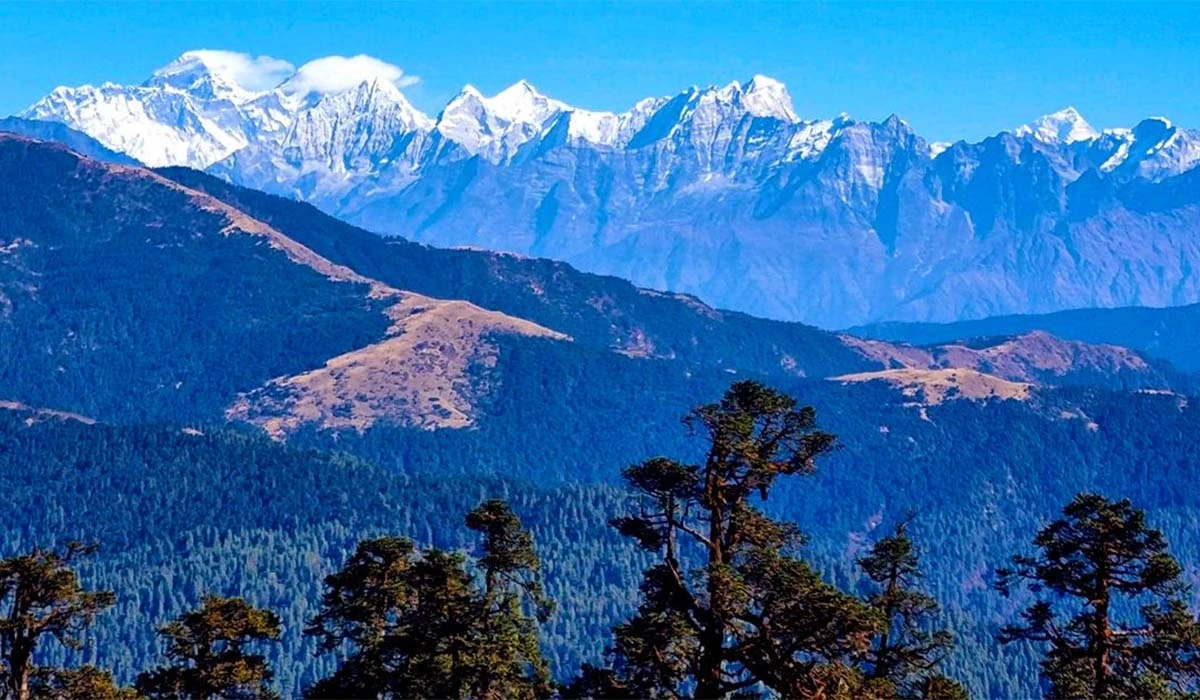
The Pikey Peak Trek nepalThe Pikey Peak Trek nepal

Pikey Peak Trek

Highlights
  • The best view of Everest, according to Sir Edmund Hillary.
  • Breathtaking sunrise and sunset views reflecting the golden light on the himalyas
  • Observe authentic Sherpa practices and savour their local dishes.
  • Visit the Thupten Choling monastery.
  • Less crowded trails, as it is one of the newly popular trekking destinations.
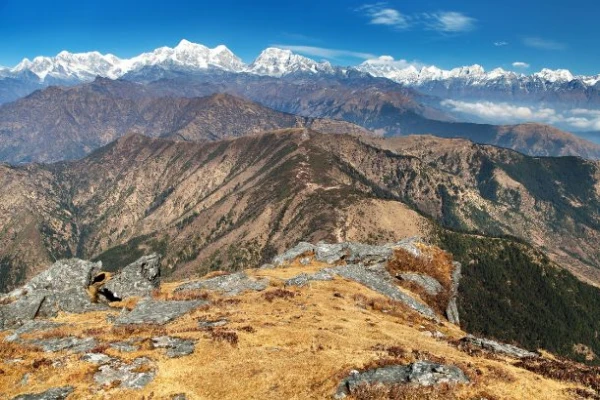
  • 360° view of mountains, including Everest, Lhotse, Makalu, Kanchenjunga, and the Rolwaling range.

    Overview

    The Pikey peak also known as the Pikey hill trek is an increasingly popular short trek located in the lower Solukhumbu region of Nepal. A lot of people dream about witnessing the majestic sight of Mount Everest but hold back due to the difficulty of the classic Everest trek. It is a savior for them, offering an unmatched view of Mount Everest without the high altitudes and demanding trails. If the weather remains clear, trekkers can see Everest almost every day.

    Moreover, it doesn’t require taking the Lukla flight, making it ideal for people with a fear of flying and heights. Pikey peak route consists of green hills, terraced farmlands, rhododendron and pine forests, alpine meadows, ridgelines, and mountain valleys. From the viewpoint of the pikey peak, trekkers behold the 360° view of Mount Everest, Kanchenjunga, Makalu, and the Rolwaling ranges. Moreover, even from the lower altitude trekkers are presented with some of the best views of the himalayas. Alongside the scenic view, the trek is as rewarding in terms of cultural and traditional exposure. You get to discover the generations-long Sherpa practices and traditions.

    Best Time For Pikey Peak Trek

    Pikey Peak Trek

    Spring and autumn seasons are the most suitable times for the Pikey peak trek. These seasons present the clearest skies, regular weather patterns, and unmatched visibility. However, you can go on this journey any time of the year. Most of the trail is free from difficult ascent and descent.

    The Pikey Peak trek altitude reaches 4,065 meters at the summit itself, so the risk of Acute Mountain Sickness (AMS) is less than in other Everest region treks. Therefore, due to the moderately difficult trail, comfortable trekking hours, and lesser threat of AMS, the trek is achievable throughout the year.

    Spring season

    One of the best times for the Pikey peak trek is the Spring season (March to May). Rhododendron and regional wildflower blooms and lively forests and meadows make the trails radiant. Likewise, it provides perfect trekking temperature. The scenic views remain unobstructed with clear, bright skies. Most importantly, the trails remain dry, firm, and safe to walk on.

    The only downside of trekking at this time is the crowded trails and teahouses. Ideal environmental conditions attract domestic as well as international tourists. So, trekking in solitude is less likely around this time. Furthermore, as teahouses are almost filled, finding quality accommodation is slightly difficult.

    Autumn season

    Autumn (September to November) is another peak time for the Pikey trek. The monsoon rain clears the sky, revealing the most striking views of Everest and the surrounding mountain ranges. The trekking route remains firm and safe due to the warm weather. Similarly, the comfortably cool temperature makes continuous walks very pleasant.

    Similar to the spring season, the trails and teahouse are hustling and bustling with people at this time. However, if you do not mind trekking with a companion, then this is no issue.

    Monsoon/Rainy season

    Even though monsoon (June to August) may not be the most ideal trekking time of the year, it is easily doable and just as fulfilling. In the lower area, the vegetation comes to life with the rain. Moreover, the fewer crowds on the trails and teahouse present more tranquil trekking opportunities. Persistent rain makes the trail slippery, but you can overcome this with sturdy trekking boots and trekking sticks and poles.

    Winter season

    Pikey peak trek in winter provides quiet trails, the best mountain views, and clear visibility. In the lower areas, snowfall is light to moderate. Meanwhile, snow typically covers the trails in the higher regions (above 3,500 meters). But this does not cause any risks. Trails do not remain blocked with snow for long time either. If you do not mind the cold temperature, then this season provides views that look no less than winter wonderlands. Therefore, with proper trekking gear and safety precautions, it is one of the most blissful times for the trek.

    Itinerary

    Your trek starts with a pleasant drive from Kathmandu to Dhap. You drive past the terraced farmlands, hilly settlements, and a farsighted view of the mountains alongside the stunning Sunkoshi Khola (river). The road flaunts the thick green forest and rivers as you drive towards Ghurmi village. Finally, the bustling bazaar (market) of Dhap greets you upon your arrival.

      On this day, the trek moves from Dhap Bazaar to Jhapre. From Sigane, trekkers can witness the beautiful view of Mount Numbur (6,958 meters). After trekking for about 5 to 6 hours, you will arrive at Jhapre. It is a small village in the Solukhumbu region known for the clear view of Mt. Everest and other surrounding himalayas. Likewise, it is home to various monasteries and stupas.

        First, the trek takes you to Bhulbhule, where you will get to see a green grassy ridge. Moving towards the base camp of Pikey Himal, you will trek through forestry trails, yak pastures, and mani walls. The trail is decorated with rhododendron trees during the spring season. You will rest at the base camp in a teahouse. Nightsky here allows trekkers an excellent opportunity for stargazing.

          Starting early in the morning, around 3 to 4 am, we start the summit walk of the Pikey Peak and arrive at the viewpoint (4,067 meters). We catch the breathtaking sunrise and a 360° view of Lhotse, Kanchenjunga, Makalu, Rolwaling, and Everest. After that, we return to the base camp and fuel our energy with breakfast. Then trek down to Junbesi via green forests and small villages. Spending the night at Junbesi lets you explore the traditions and foods of the local Tamang, Sherpa, and Gurung.

            Today, we visit one of the most peaceful and significant monasteries located in the Solukhumbu region. It is recognized as the largest nunnery in the Everest region. Also, the monastery is highly regarded for its spiritual practices. After that, walk back to Junbesi and spend a relaxing day there.

              After a warm breakfast, the day starts with a scenic walk towards Taksindu. The trails today consist of forests and rivers. On the way, you will cross Ringmo village. It offers excellent views of Everest, Makalu, Chamlang, and other mountains. Followed by a moderate ascent to the trek ends at Taksindu. It is known for its historical monasteries and the sight of the Karyolung mountain.

                Today, we will take a relaxing and easy walk to Phaplu via Ratmati. You walk through forests and traditional paths. The Sherpas inhabit this region, allowing trekkers to immerse themselves in their culture and savour their local cuisine. After arriving at Phaplu, you will stay in a warm teahouse.

                  The day starts with breakfast and then a drive back to Kathmandu. We pass through steep hills, small villages, and the Sunkoshi river. After arriving in the valley, you can either rest up at your hotel or explore the city.

                    Your Pikey peak trek officially ends today. We share breakfast and exchange words of gratitude, and then our representative will drop you off at Tribhuvan International Airport.

                      What's Included
                      • Airport pick up and drop by private vehicle
                      • Three nights standard Hotel in Kathmandu on twin sharing basis with B.B 
                      • Both way Drive with bus or Jeep. 
                      • Government license holder guide 
                      • Helpful porter with proper equipments (1 porter for 2 people)
                      • Salary, food, accommodation and insurance for guide and porters
                      • Tea house/lodge accommodation during the trek on twin sharing basis 
                      • Duffel bag for packing your things for the trek 
                      • Government taxes and official expenses. 
                      What's not Included
                      • All food pay your self  during the trek  
                      • Flight to Kathmandu, Nepal
                      • Tips for porters ($70-100) and guides ($80-100)
                      • Nepal Visa ($50)
                      • Insurance (must include emergency evacuation by helicopter, check worldnomads.com
                      • Food and drinks ($20-30 per day)
                      • In some places: hot water, wifi, battery charging - $2-5
                      • Drinking water, price depends on altitude (linear regression) 
                      Useful Information

                      food and accommodation in pikey peak trek is very relaxing

                      Food And Accommodation

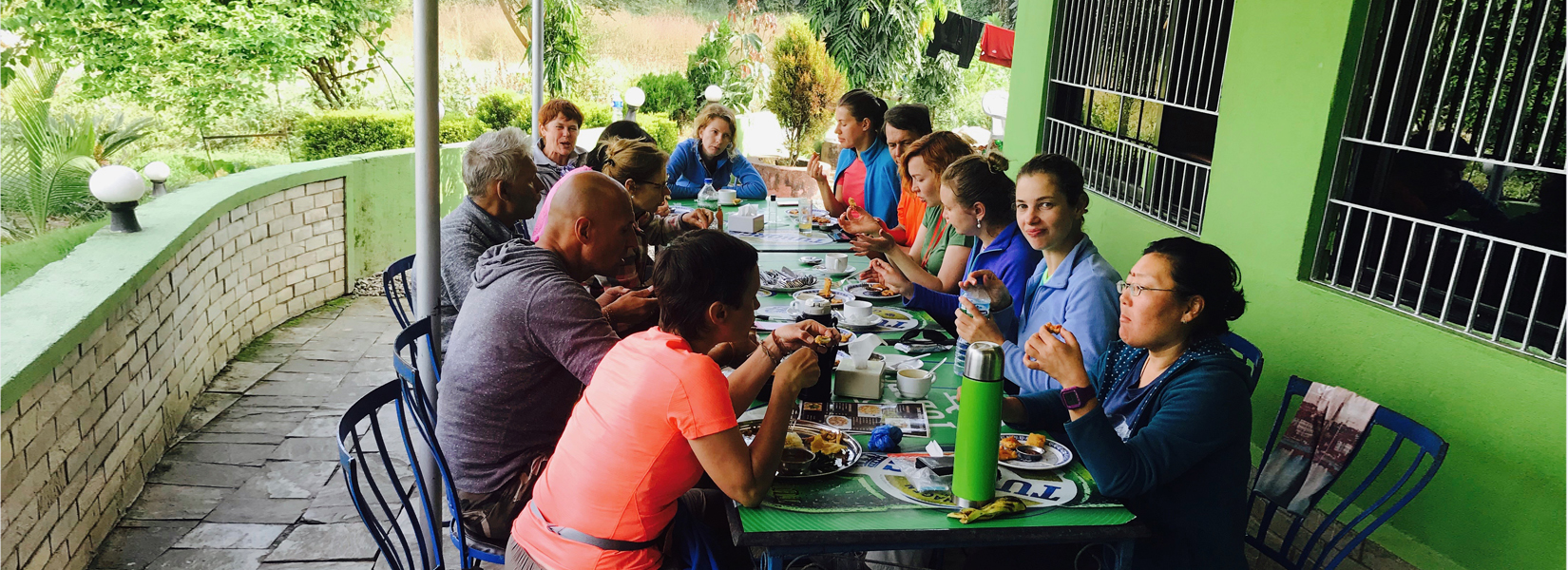
                      Typical food offered during the Pikey peak trek consists of simple but healthy staple Nepali meals. Teahouses serve freshly prepared hot and comforting food that is highly nutritious. The most common foods include Dal Bhat Tarkari set (rice, lentil, and vegetable), noodles, and potato dishes. Likewise, you can enjoy Sherpa dishes such as shyakpa, thenthuk, rilduk, etc.

                      The breakfast menu consists of tea, coffee, Tibetan pancake, porridge, and eggs. Most common lunch options are rice and curry dishes, stir-fried noodles (chow mein), mo:mo, and thukpa. Lastly, the most served dinner option is the classic Dal Bhat Tarkari. However, you can ask the teahouses to prepare western foods like pasta dishes, pizza, and burgers at any time if these items are included on their menu.

                      Most of the accommodation on the trek comprises basic teahouses and lodges. They have a warm room with two beds, comfortable bedding, pillows, and blankets. The shared dining spaces also function as common heating spaces. For trekkers wanting a more luxurious stay, opt for guest houses.

                      They provide attached bathroom services and offer slightly better room and bedding facilities. However, this is available only up to Junbesi, after that, accommodations are limited to teahouses. As it is one of the less commercialized treks, luxury-focused accommodation is rarely available in the Everest region. In conclusion, typical Pikey peak accommodation focuses on providing basic but warm and safe shelter.

                      Difficulty of The Pikey Peak Trek
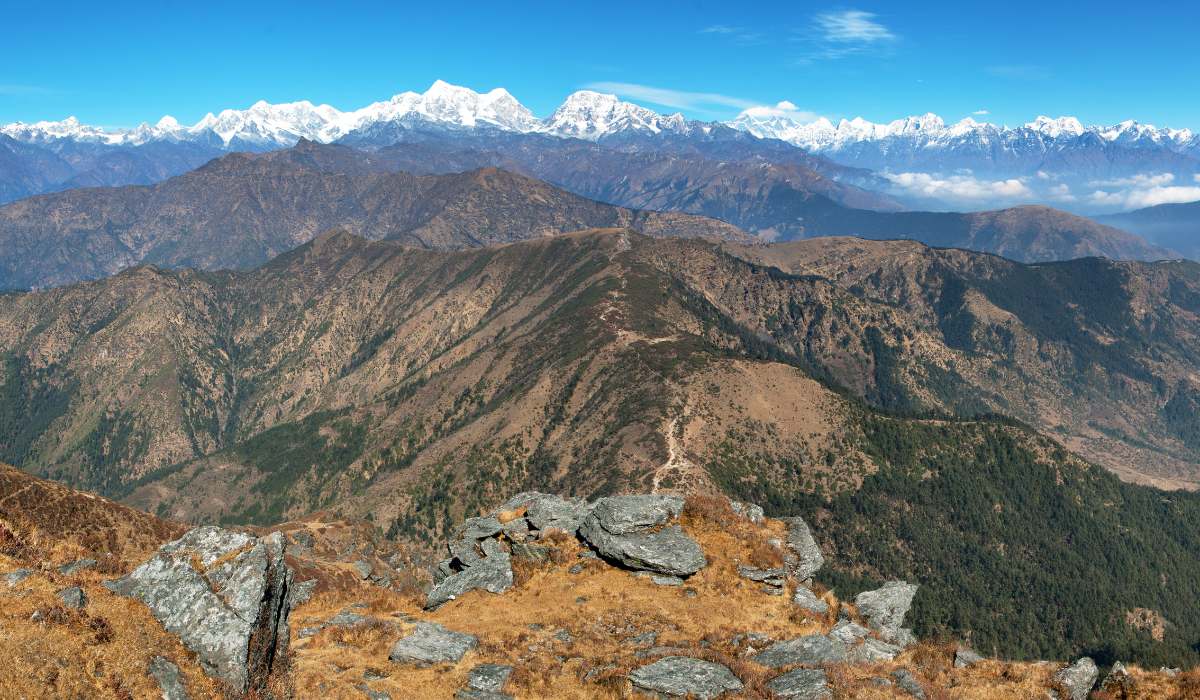
                      Pikey Peak Trek view with beautiful seen

                      Trekking to the top of the Pikey peak is moderately difficult. It needs a basic fitness level and demands no prior trekking experience. So, it is perfect for beginners. Given the less demanding nature, it is a good alternative to the more difficult Everest treks. A typical trekking day consists of just 5 to 7 hours of walking and a few, but minor, steep climbs. Moreover, the trek is often completed within 7 to 9 days.

                      The highest altitude of the trek is 4,065 meters at the peak’s summit, which is much lower compared to other Everest treks. Also, altitude gain is slow and gradual, posing less risk of AMS. Likewise, it does not require any technical climbing skills.

                      However, there are possibilities of small landslides during the monsoon season around Junbesi that can make the trek slightly more difficult. To avoid such encounters, have a local and experienced guide with you and keep updated with the weather forecast. In conclusion, the trek is moderately difficult. With basic physical fitness and a professional guide, anyone can complete this summit.

                      How To Prepare Yourself For The Trek?

                      list of the thinghs to pack for the trek

                      Even though the Pikey peak trek is not difficult, it is good to be prepared for what is to come. Go on small hikes 4 to 6 weeks prior to the trek. Likewise, practice stair workouts or go for short, uphill climbs. Breathing techniques help with better respiration in the higher and colder regions.

                      Go on daily runs, jogging, or cycling. For immediate care of small health issues, carry a first aid kit. Include band-aids, blister treatments and medicines like Ibuprofen, Paracetamol, and Diamox. Get travel insurance that includes emergency medical evacuation and helicopter evacuation. Lastly, prepare yourself mentally to leave the comfort of your home and sustain a week in a teahouse with basic facilities. Therefore, practicing exercises that build your core strength, stamina, and endurance can be helpful for easy completion of the trek.

                      List of Things To Pack For The Trek

                      • Breathable t-shirts and trekking pants for trekking in the lower region in the hotter seasons.
                      • Warm down and fleece jackets.
                      • Thermal innerwear for cold seasons.
                      • Comfortable and sturdy trekking boots.
                      • Trekking sticks/poles.
                      • Sunscreen and sunglasses to protect from UV rays.
                      • Waterproof trekking gear during rainy months.
                      • Headlamp and navigation tools.
                      • Power banks and adapters.
                      • First aid kit. With pain relievers, bandages and over-the-counter medicines like paracetamol and diamox.
                      • Passports, visas, and permits.
                      • Water bottle and purification tablets.
                      • Some cash. Because in higher regions, you cannot always rely on online payment services.
                      • Backpacks with enough compartments.

                      Health Issues and Safety Concerns
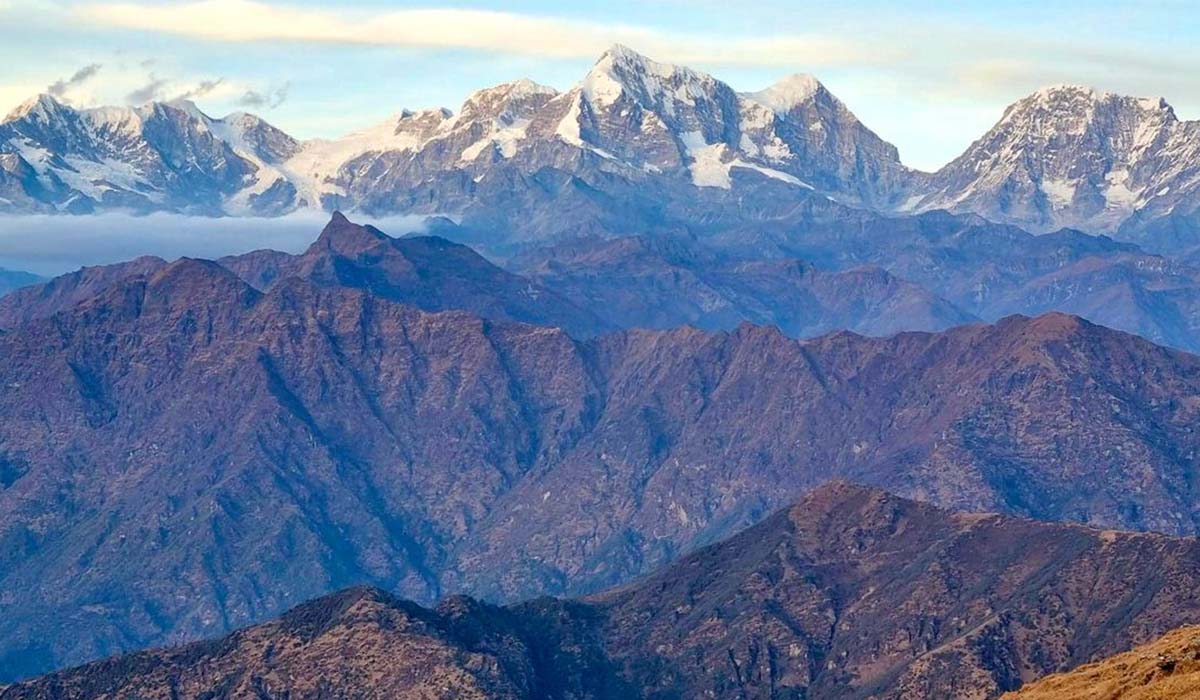
                      Health Issues and Safety Concerns to be carefull at pikey peak trek nepal

                      Altitude Sickness

                      Despite the moderate difficulty level, you can experience mild headache, nausea, and fatigue. Going slow and maintaining a steady pace reduces these symptoms significantly. Also, stay hydrated, eat nutritious food, and acclimate enough.

                      Cold-related problems

                      In the higher regions, be careful about possible hypothermia, a stuffed nose, and cold-induced headaches. So, wear gloves, an inner thermal layer, and a buff/neck gaiter to cover your mouth and nose.

                      Muscle fatigue and joint pain

                      If you are not used to long hours walking, then trekking continuously can cause knee pain, muscle fatigue and strain. Physical preparation is helpful to get your body prepared for these long walking. Moreover, take the help of trekking poles and wear comfortable trekking shoes.

                      Possible dehydration

                      On warmer days, your body loses more fluids due to frequent sweating. Likewise, on colder days the urge to drink water naturally reduces. This can cause dehydration, which increases the risk of AMS. Therefore, no matter the weather conditions, drink enough water and stay away from hard drinks like alcohol.

                      Stomach Issues

                      The change in drinking water and daily diet can cause stomach problems such as indigestion and diarrhea. To avoid this, only drink purified water, do not consume random tap and stream water. Likewise, eat simple and freshly cooked teahouse meals.

                      Blisters

                      If you are wearing poorly fitted trekking boots, you will most likely get blisters and foot soreness. Especially after trekking for long durations on uneven trails. Continuing to walk with such symptoms exerts repeated pressure on heels and toes, making it even worse. So, wear well-fitted trekking boots and apply blister tapes or moleskin in the affected area before they get worse. Take small breaks on the trail and let your feet rest.

                      Possibility of Landslides and rockfalls.

                      Risk of natural hazards like landslides and rockfalls is generally low during the trek. However, there is a slight risk of landslides and rockfalls in the Pikey peak trail, especially on the roadside from Kathmandu to Dhap and Phaplu. This can also stop the transportation temporarily if it damages the road. However, these disruptions are cleared quickly.

                      Permits, Guides, And Porters

                      The Pikey peak trail does not pass through any restricted areas, so there are no mandatory permits required for it. Major trekking areas in the Everest prohibit private trekkers. However, it is not applicable to the trek. Enjoy going on solo endeavours here.

                      As the trek poses no major risk, has a short length, and does not reach extremely high elevations, you can fully do it on your own. Likewise, the trail is safe, making it manageable for independent trekkers. However, for better safety and navigation, it is highly recommended to hire a licensed guide. They help reduce the language barrier between you and the local people. Likewise, guides understand trails and their possible risks better. Similarly, you get better insights into the cultural and historic sites.

                      Furthermore, having a porter is not mandatory either. But it is very beneficial to reduce the physical strain on the trail. Porters carry your extra luggage, which can be a burden to carry by yourself for a long time while walking. So, let them take care of it, and you can just enjoy a relaxing walk with scenic views. In conclusion, having a guide and porter is not mandatory but they help provide an overall better experience and safety.

                      Transportation for The Pikey Peak Trek

                      On the first day of the trek we take a scenic drive from Kathmandu to Dhap. Based on the group size and your preferences, we can complete the ride either with a jeep, HiAce or a local bus. What sets pikey trek apart from other Everest treks is the lack of a Lukla flight. Lastly, when returning from Phaplu to Kathmandu, we take another bus or jeep ride. In conclusion, the modes of transportation used in the trek are jeeps and local buses, and you do not have to take any flights.

                      Culture And Tradition

                      The majority of the pikey trek falls in the Solukhumbu region. It is mostly inhabited by the Sherpa, Tamang, and Magar communities. They have deeply rooted diverse cultures and practices. While on the trek, you are able to observe their simple day-to-day lifestyle. Similarly, explore their customs, festivals, and traditions.

                      Sherpa communities are most dominant in major parts of the region. Mani walls, prayer flags, and spinning prayer wheels adorn the trails, reflecting their rich culture. Likewise, you can see their heritage passed down to generations through their traditional clothes like bakhu, pangden, and chuba.

                      Similarly, lower villages such as Phaplu, Salleri, and Jhapre showcase the Magar and Tamang communities. You can enjoy the Magar folk songs, like sorathi and khyali. The Tamang people of this region follow Tibetan-influenced customs and practices. They celebrate festivals like Sonam Lhosar, the Tamang New year. You can enjoy their traditional dances (Tamang selo) and enjoy the sound of the damphu (traditional drum).

                      Furthermore, monasteries like Thupten Choling, Jhapre, and Junbesi preserve the local cultural practices. Most of the villagers start and end their day with prayer in these monasteries. These monastic practices gave rise to festivals such as Mani Rimdu, Lhosar, and Dumji, which people celebrate with masked dances, butter lamps, and prayers.

                      Therefore, the diversity in ethnic groups and their traditional beliefs makes an excellent opportunity for the trekkers to explore vivid customs, celebrations, and lifestyles.

                      Why Go On The Pikey Peak Trek?
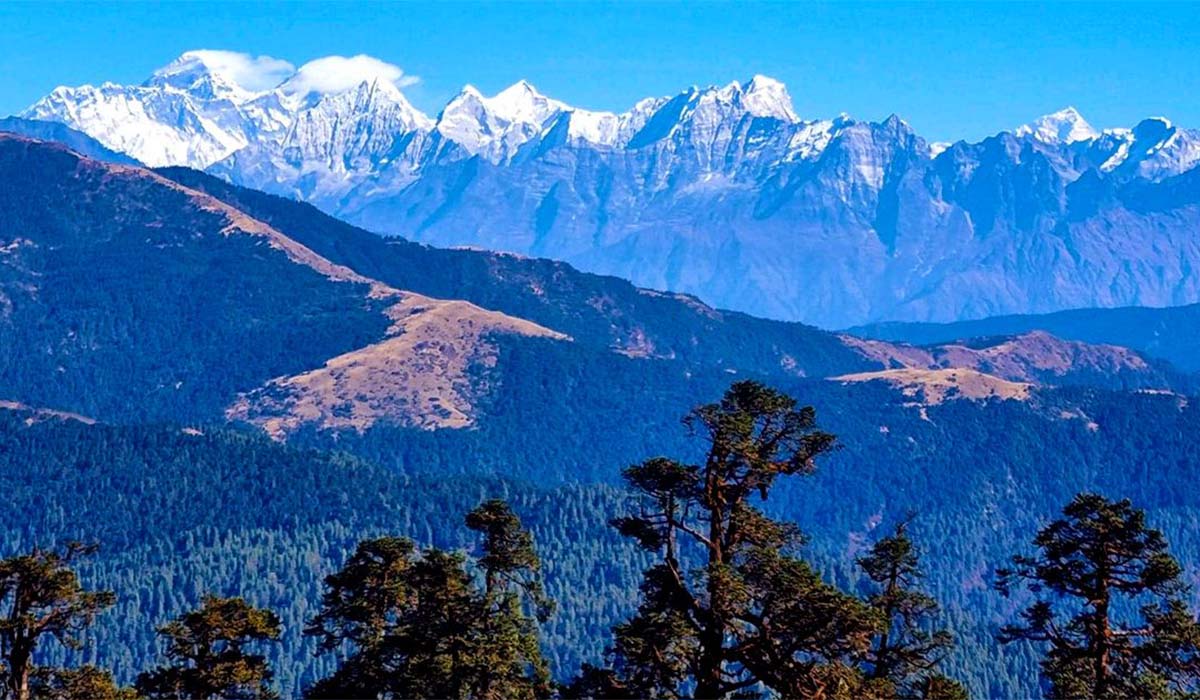
                      The Pikey Peak Trek nepal with the best view of everest

                      Best View of the Everest

                      According to the first person to summit Mt. Everest, Sir Edmund Hillary, Pikey Peak offers the best view of the mountain. He even referred to it as his favourite view of the mountain. Likewise, the trek offers panoramic views of Kanchenjunga, Makalu, Lhotse, Numbur, and Gaurishankar. Also, it offers a breathtaking sunrise view with the golden rays striking in the white himalayas making them appear golden and pink.

                      Peaceful and off-the-beaten trails

                      As the trek has recently started gaining popularity, it remains far from overwhelming traffic. This brings a more calm and serene trekking experience. Likewise, it is not as commercialized as the famous trekking destinations of Nepal. So you can observe more of the raw himalayan lifestyle. Trail passes through rhododendron, pine forests, and grazing ridges, allowing trekkers a sense of wilderness and tranquility.

                      Easy Access And Short Length

                      The trek to Pikey starts with an effortless and peaceful road trip from Kathmandu to Dhap. As it does not require any mountain flights, it automatically reduces the stress of flight cancellations and delays of other Everest region treks. The entire journey can be completed within 7–9 days, making it suitable for people with limited time.

                      Beginner-Friendly

                      The trek does not require any technical climbing. Terrains of the trek consist of forest paths, dirt paths, and open ridges. While trekking up to the base camp and heading down from Junbesi, trekkers have to overcome steep sections. However, they are not physically demanding and even beginners can manage to trek through.

                      Furthermore, the maximum resting elevation of the trek is 3,640 meters at the Pikey base camp. The maximum trekking point reaches 4,065 meters at the summit of the peak. This elevation is significantly lower than that of other high-altitude treks. Hence, the risk of altitude sickness is comparatively lesser.

                      No stress and risk of the Lukla flight

                      The Pikey Peak trek bypasses the need for the Lukla Flight, which is a must on almost every Everest trek. This takes away major stress from people who are scared of flying or have a fear of heights. Moreover, trekkers do not have to worry about the possible risk and danger of flying during bad weather conditions.

                      It is the best alternative for people who want to see Everest without having to bear the stress of flying. Furthermore, due to the lack of flight delays and cancellations, you do not have to add extra trekking days either.

                      Rich Sherpa, Magar, and Tamang culture

                      The trek passes through the villages of Sherpa, Magar, and Tamang. It allows you to have close insight into their years-long customs and beliefs. Likewise, their traditional houses, dresses, and simple living showcase their cultural values. Interacting with the locals and tasting their homemade dishes makes you feel like a part of their family. Moreover, you can gain exposure to their ancient buddhist practices.

                      Sunrise and Sunset views

                      In the higher regions trails expand through stunning ridge walks. These high ridges provide exceptionally beautiful sunrise as well as sunset views. You will see layers of mountains in the skyline glowing in golden and pink hues as the sun's rays hit them. It is often compared to the view from the famous Poon hill trek but with less traffic.

                      Year-round trekking possibility

                      High-altitude treks like Everest Base Camp are very challenging during monsoon and winter seasons. In worst-case scenarios they even get completely inaccessible due to bad weather conditions. However, Pikey offers trek-worthy trails and weather most times of the year. Except for the change in temperature, the trek does not pose major issues with the change in season.

                      Pikey Peak Trek FAQs

                      • It is located in eastern Nepal, more precisely in the Solukhumbu district, as a part of the Mahalangur Himal range.

                      • Yes. Pikey Peak and Pikey Hill generally refer to the same destination: a famous viewpoint (around 4,065m) in Nepal's lower Everest region known for spectacular sunrise/sunset views of Mt. Everest and other Himalayan giants, with "Peak" often used for the summit and "Hill" or "Danda" for the general vantage point or trek area.

                      • No. The Pikey peak trail is not a part of any of the restricted areas in Nepal. This eliminates the hassle of obtaining restricted area permits.

                      • Providing the unobstructed views of Everest and surrounding snow-covered peaks, it stands 4,065 meters tall.

                      • Yes. Given the short length, no major altitude risk, and basic physical fitness, it is one of the most suitable family treks in Nepal.

                      • Unlike most of the Everest region treks, this trek does not require you to fly to Lukla. The trek starts with easy on-road travel from Kathmandu to Dhap.

                      • Pikey peak trek is considered to be easy to moderately difficult. It is a non-technical trek. And easily doable by anyone with basic fitness.

                      • Yes. It is suitable for both older citizens and children. However, make sure they have a basic fitness level and no major medical issues.

                      • For ideal trekking temperature and clear panoramic views, spring (March to May) and autumn (September to November) are the best. Whereas for a more secluded experience, the monsoon and winter seasons are better.

                      • No. you do not have to hire guides and porters. They just ensure better safety and trekking experience.

                      • Yes. You can. But this requires good preparation from your side. Wear suitable trekking gear and get the assistance of an experienced guide.

                      • The ascent from Pikey base camp to the top of the peak is moderately challenging. It comprises a steady climb through grassy ridges. Moreover, it does not require advanced climbing skills. Following your guide’s assistance you will be at the summit with no issue.

                      • Spring season, especially from Mid-Mach to April. Mid-hill regions of the trek are enveloped in the warm radiance of the flourishing rhododendron.

                      • The teahouses in villages such as Phaplu, Jhapre, and Junbesi provide a reliable Wi-Fi service with an additional charge (200 Nepali rupees to 500 Nepali rupees) per hour. Likewise, mobile internet coverage is reliable along almost the entire route, except for the forest trails and near the summit.

                        Electricity service is present in the teahouse the entire trek. But you will have to pay an additional fee to charge your cell phones and other electronic devices. Inquire with the teahouse owner about the cost beforehand.

                      • Yes. it offers a unique panoramic view of Everest and the surrounding peaks that creates a stunning frame during sunset and sunrise. Moreover, the varying landscapes and cultural symbols on the trail make up a stunning contrast for filming.