How Difficult is Pikey Peak Trek in Nepal?
The Pikey Peak Trek can be described as an easy to moderate level of difficulty. It does not involve any technical aspects. Nevertheless, this fact does not imply that the trip will be easy.
The trek involves climbing up to 4,065 meters at Pikey Peak which is the highest point. The thin air and low atmospheric pressure can impact your health and performance. Fatigue, slower pace and mild altitude-related symptoms are common if not managed properly. While this altitude is generally considered safe for most trekkers, it still requires gradual ascent and awareness of your body.
Moreover, the trek lasts from 6 to 9 days. This makes it a short Himalayan adventure which can be appealing at first look but what you should know is that there is not much time for acclimatization during such trips. On average, each day involves walking for 5-7 hours which is manageable but can feel challenging because of the elevation gain and uneven terrain.
The true test of the trek’s difficulty lies in its uphill and downhill portions from beginning to end. Instead of having one tough climb, you will experience continuous climbs and descents that may slowly drain your energy reserves, particularly for novices. The routes take you through forested areas, ridges and traditional villages with stone staircases which require cautious footing.
To summarize, trekking the Pikey Peak can be viewed as quite difficult due to the height involved as well as the energy used. However, it is not out of reach for anyone who prepares themselves sufficiently. The trek doesn’t require any special skills but basic endurance, mental resilience and smart pacing are necessary to enjoy the experience fully.
How Difficult is Pikey Peak Trek for Beginners?
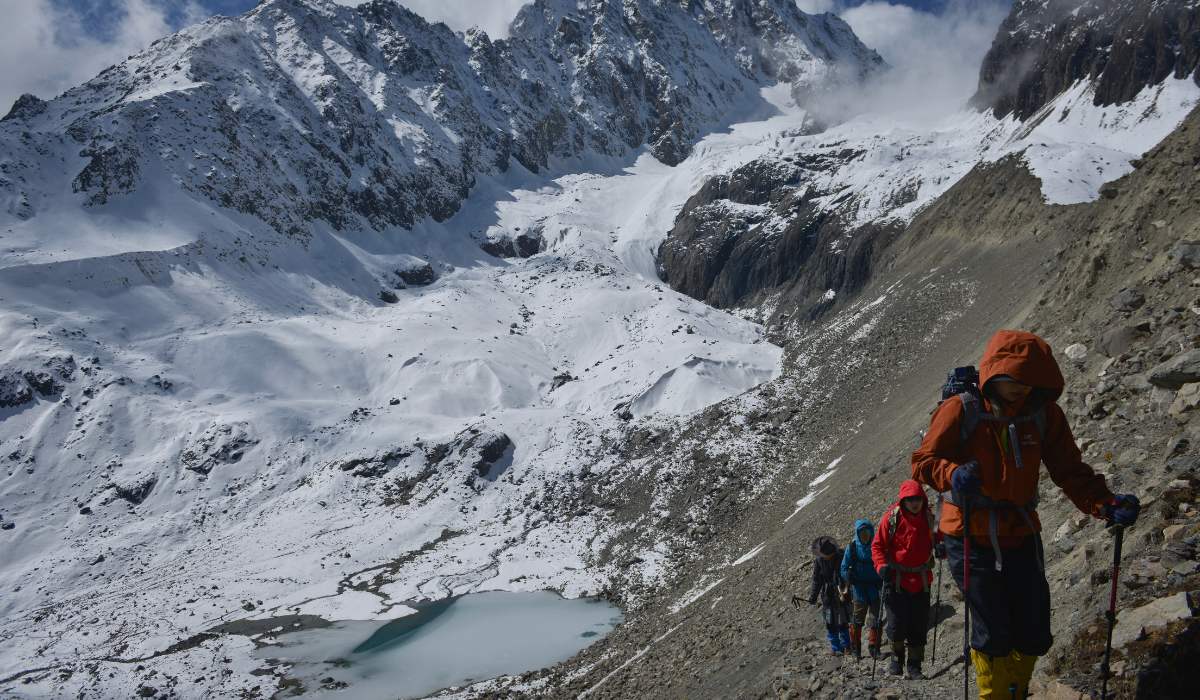
It is among the most frequently asked questions and the good news for inexperienced hikers is that yes, beginners can absolutely complete the Pikey Peak Trek. The trek does not require any technical climbing or mountaineering skills; the routes are well-marked, and the maximum height is not too much in comparison with other Himalayan paths such as Everest Base Camp or Annapurna Circuit.
The itinerary is rather flexible and can be changed according to the level of preparation of trekkers. Still, it would be wise not to underestimate fatigue (especially beyond 3000 meters), a lot of time spent on walking every day (up to 5-7 hours), and steep uphill sections particularly before reaching the summit, which can feel physically demanding.
The main problem here lies in the altitude since it decreases endurance by 25-30%.
This means even fit individuals may feel slower and more tired than expected making proper pacing, hydration and acclimatization essential for a safe and enjoyable trek.
Pikey Peak Trek Distance and Daily Breakdown
It is very important to understand the distance of the Pikey Peak Trek in order to assess the difficulty level involved in this adventure trip. The distance varies from 50 to 65 km (31 to 40 miles) depending on the actual itinerary selected.
The days usually consist of 5 to 7 hours of walking along various trails through forests, ridgelines, villages, and valleys, with plenty of ups and downs. Continuous elevation gain, steep ascents and varied terrain can make even moderate daily distances feel strenuous. For instance, walking from Jhapre to Pikey Base Camp is not a particularly long distance but the climb will be quite challenging.
Although the overall distance may not be particularly daunting in comparison to other trekking routes in the Himalayas, the trek’s difficulty lies primarily in the interplay between elevation, varied terrain and time spent walking. It is much more critical to take into account these aspects than simply measuring the number of miles walked.
Terrain and Trail Conditions
The landscape during the Pikey Peak Trek largely determines how demanding the experience will be on the trekker.
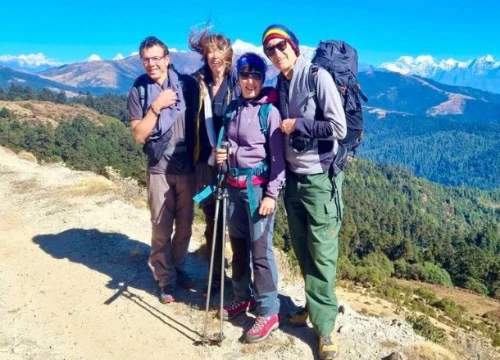
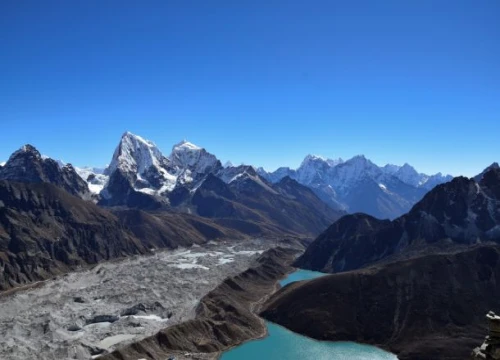
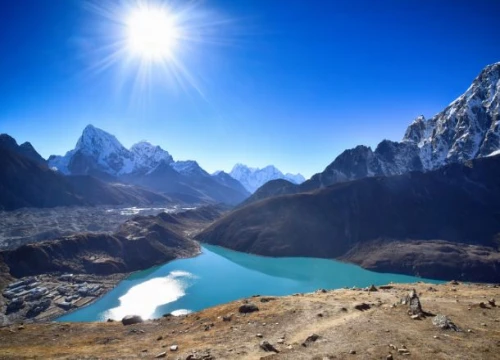
Trekkers can look forward to walking through different terrain along the way ranging from forested trails full of rhododendron and pine trees to dirt tracks and stone steps through villages. As you move higher, the trail follows ridgelines, presenting spectacular views of the Himalayas while also maintaining a pattern of consistent uphill climb.
Uneven ground may make progress more difficult for beginners with climbing sections becoming more intense nearer the summit of the Pikey Peak. The summit walk in the morning further presents cold weather conditions coupled with fatigue adding to the challenges for trekkers.
Although not as rugged and difficult as the famed Everest Base Camp Trek, this trek still requires you to pace accordingly and give attention to the demands of both terrain and altitude.
Altitude: The Real Challenge
Pikey Peak doesn’t reach the extreme elevations of the High Himalayas. Still altitude can play an important role in affecting how tough the trek might feel. The trail starts at around 2,800 m above sea level and reaches up to about 4,065 m above sea level at its peak.
Although the trail does not go as high as Everest Base Camp or Annapurna, the reduced oxygen levels at higher altitudes can still impact your body in noticeable ways. Altitude sickness may occur with symptoms like headaches, tiredness, and shortness of breath, and the person’s stamina may also be affected by the altitude.
The degree of risk associated with altitude is normally low to moderate especially if you ensure that the pace is slow and consistent. The other important factor that needs to be considered is adequate acclimatization to allow the body time to adjust to the thin air.
Even the most experienced trekkers who are very physically fit can find themselves experiencing complications if they make a rapid ascent to Pikey Peak, which is why caution needs to be taken.
Physical Fitness Requirements for the Trek
It is not necessary to be a professional athlete to complete the Pikey Peak Trek. It demands basic physical fitness, the ability to walk 5-7 hours on foot every day while overcoming rough terrain along with cardiovascular strength to cope with constant climbing and altitude exposure. Even a novice trekker who is physically active in general can handle the challenge ahead if they prepare properly.
The effective preparation plan involves working out for 3-4 weeks prior to the hiking period. Your training regimen should involve walking or jogging at least 4-5 days each week to improve stamina, climbing stairs as a way of preparing for slopes, and finally leg and abdominal exercises for improving stability.
Steady training is better than an intensive workout. The reason behind this is that consistency enables you to attain an excellent fitness baseline, which helps avoid exhaustion during the hikes.
Best Time to Trek (Difficulty Impact)
The right time can certainly make the trek much more comfortable and enjoyable.
The Pikey Peak Trek is accessible year-round because it takes place in the lower Khumbu region. It is relatively easier than other high altitude and high passes treks in the Everest region which often require stricter seasonal planning due to harsher conditions.
Nevertheless, there are certain times that are the most ideal for trekking. The best times of the year for trekking include the spring season, which is between March and May, as well as the autumn season from September to November.
In contrast, the winter season comes with snowfall, icy trails, and cold weather making it tougher for hikers to climb the peak. With the monsoon season, you will have to struggle with rains, mudslides and foggy trails, further adding to the danger and difficulty of hiking up Pikey Peak.
Although Pikey Peak is less challenging compared to other treks in the Everest region due to its location in the Lower Khumbu area, proper seasonal planning ensures you experience the trek in safer, more comfortable conditions.
Common Challenges And How to Handle Them
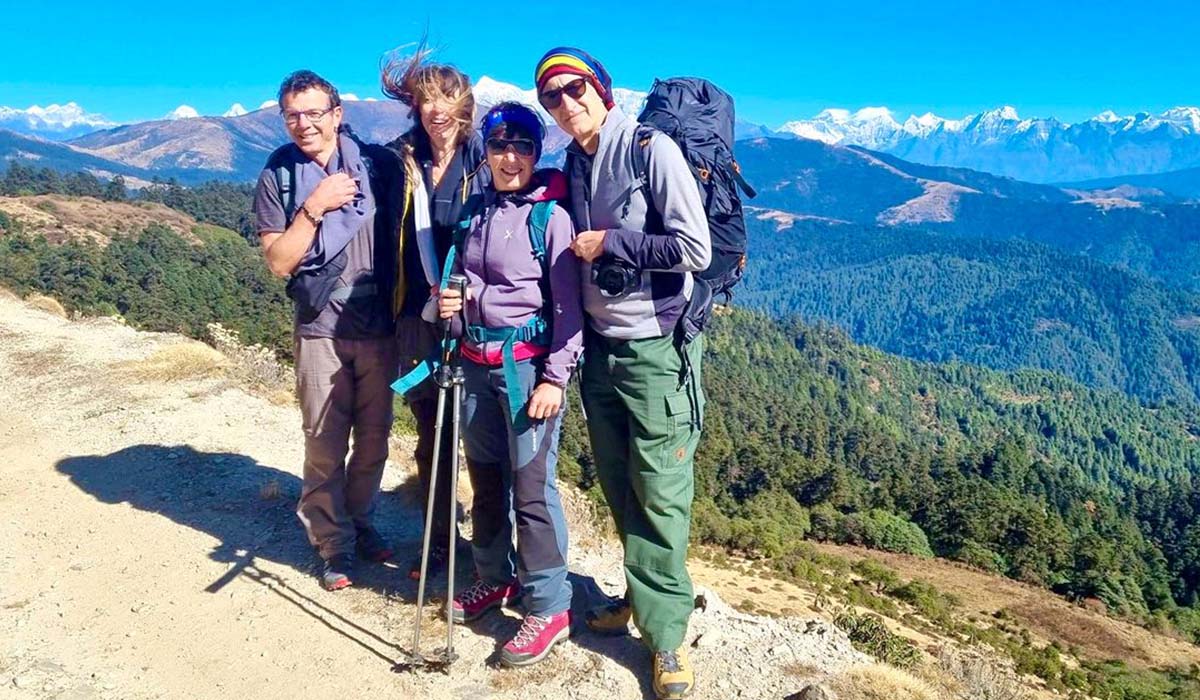
Physical Fatigue
Fatigue will often be experienced on the Pikey Peak Trek due to long periods of walking and constant upward climb. The most effective approach towards overcoming this hurdle would be through pacing oneself and resting multiple times in between.
In addition to helping your muscles recover, taking short breaks will keep your energy levels steady for an exciting experience.
Altitude Sickness
Even though the altitude at which you will walk on the Pikey Peak Trek is considerably lower compared to other Himalayan treks, it may still trigger mild altitude sickness. Such symptoms may include headaches, breathing difficulties and overall tiredness.
Gradual ascent gives your body time to acclimatize to thinner air. Avoiding dehydration and alcohol consumption is helpful in acclimatization.
Cold Weather
Cold weather conditions are likely to influence the quality of the trek and the level of comfort experienced.
Proper management of low temperatures requires trekkers to wear multiple layers of clothing including thermal base layers and fleece jackets that provide protection from the natural elements.
It is also essential to safeguard body parts such as the hands, feet, ears, and head using appropriate accessories.
Mental Exhaustion
The psychological weariness is frequently overlooked. However, it may have a considerable impact on the trekker’s state of mind.
Mental fatigue can be managed by setting small goals and rewarding yourself with every accomplishment along the way. Besides, maintaining a positive mindset and keeping motivation high makes challenging sections more manageable.
Who Should Do This Trek?
Pikey Peak Trek is an amazing destination for people interested in adventuring, especially for beginners who want to try trekking in the Himalayas. For those first-timers, this trek is perfect since it is not too difficult but still offers beautiful mountain views as well as cultural experiences of the Nepal Himalayas.
Besides, for those nature lovers who want some quietness and peace, this trail offers some scenic spots that are less visited compared to other famous trekking trails such as Everest Base Camp and Annapurna Circuit.
Furthermore, the journey allows photographers to capture amazing pictures in the mountains. It is equally rewarding for cultural explorers as they get to experience the rich culture of the Sherpas. This is also an excellent choice for anyone who does not have much time to go on a long-term adventure, because the trek only takes between 6 and 9 days to complete.
People who seek luxurious trekking experiences may not be satisfied since the focus is on providing rustic experiences in lodges and teahouses along the trail. In addition, people with serious altitude sensitivity must be careful when embarking on the journey because even the moderate elevation gain can cause discomfort and fatigue.
In case you have no experience hiking or do not have adequate fitness levels, it is recommended that you get prepared because walking for several hours each day needs at least moderate endurance.
Why the Pikey Peak Trek is Worth It
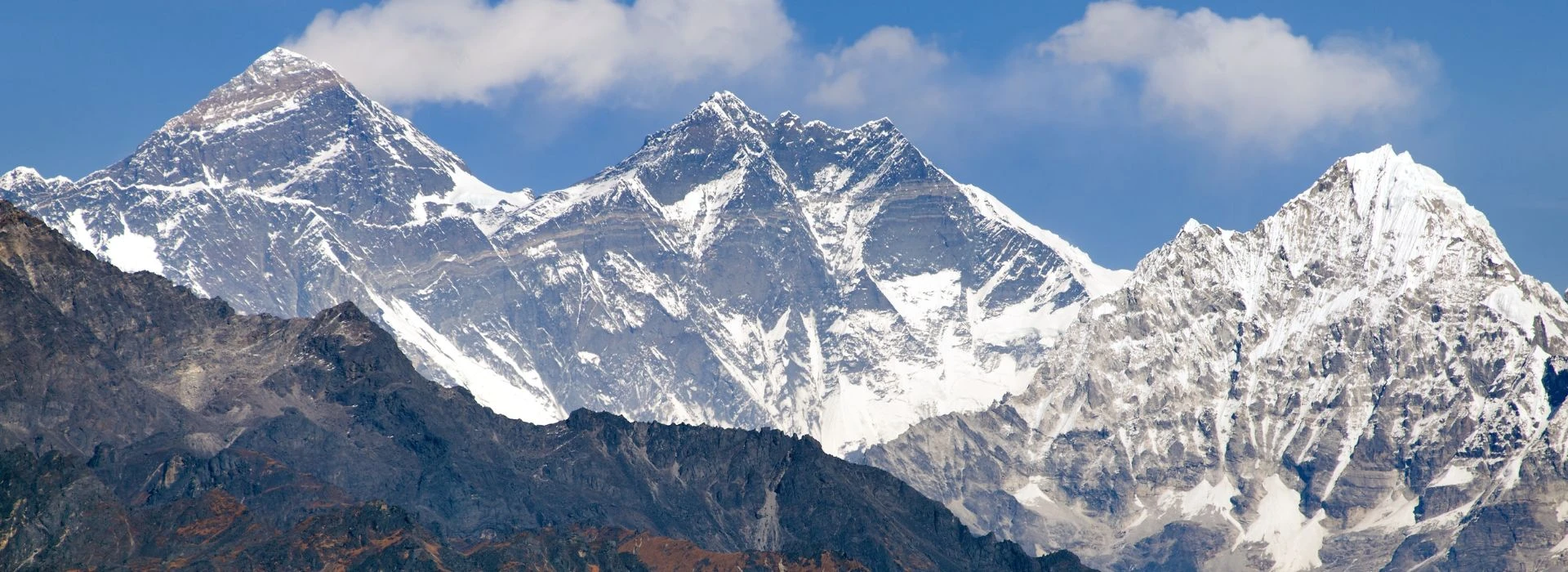
Even though this trekking route is neither too easy nor too hard, it certainly provides you with an amazing experience. There are many things that make it truly unforgettable but perhaps the most remarkable aspect of it is getting to see the rising sun above Mount Everest and other Himalayan mountains.
While trekking on the well marked trail, you can admire the unique scenery of this impressive mountain range and get an idea of what it feels like being in such a spectacular place. As opposed to many other popular routes, the Pikey Peak Trek does not attract huge crowds, which means you can walk in silence and enjoy the tranquility of nature.
Besides, you will get the firsthand experience of the culture of the indigenous Sherpa people through villages and monasteries visits. In this regard, this journey turns out to be an opportunity to learn more about the locals and their way of life.
Ultimately, completing the trek gives you a genuine sense of achievement with its balance of effort and reward.
Are You Ready to Embark on This Journey?
The uniqueness and attractiveness of the trekking experience do not lie only in the possibility of enjoying fantastic views of the mountain landscapes; it is also in the accessibility of the trail because it enables an ordinary tourist without any special abilities or high level of physical fitness to experience something truly extraordinary.
This trek shows that you do not need to have great endurance or climbing abilities to stand among the highest mountains on Earth and see their true beauty.
Therefore, if the question of whether you can make it crosses your mind, then the answer would be simple and straightforward – yes, most likely, you can.
Practical recommendations for Trekkers on Pikey Peak Adventure
Proper preparation will surely influence the trekking performance and enjoyment. It would be great to begin training at least 3-4 weeks before your trek focusing on building stamina through regular walking, hiking, or basic cardio exercises.
Spring or autumn periods of the year are considered to be the most favorable for trekking because of their perfect weather conditions that guarantee safe and enjoyable experience.
Another very important aspect is the altitude. Although the height of Pikey Peak is average, you shouldn't neglect it because low-oxygen air can impact your energy and endurance. Try to move evenly and steadily without rushing to save your strength and make adaptation easier.
Finally, if you don't have previous experience in trekking in the Himalayas it would be good to hire a guide. Not only does a guide help navigate the area and make logistical arrangements but he/she also increase the safety of your travels and give you insider information.