Pikey Peak Trek Distance
Pikey Peak Trek distance depends on the path chosen by a trekker for the adventure. On average, the trek can cover a distance of 40 to 75 kilometers. The reason behind the varying distance lies in the selection of the trek’s start and end points. Alternative routes through villages like Junbesi or extended versions toward Dudh Kunda can add extra distance.
Generally, trekkers cover an average of 5 to 7 hours each day of walking along with the forest trails, ridges, and Sherpa settlements on their journey. In terms of distance covered, the trek is not extensive compared to other Himalayan treks. Yet its difficulty level comes from the continuous ascents to be made to reach an altitude of 4,065 meters up to Pikey Peak over diverse and rugged terrain.
Pikey Peak Treks With Explorer Adventure
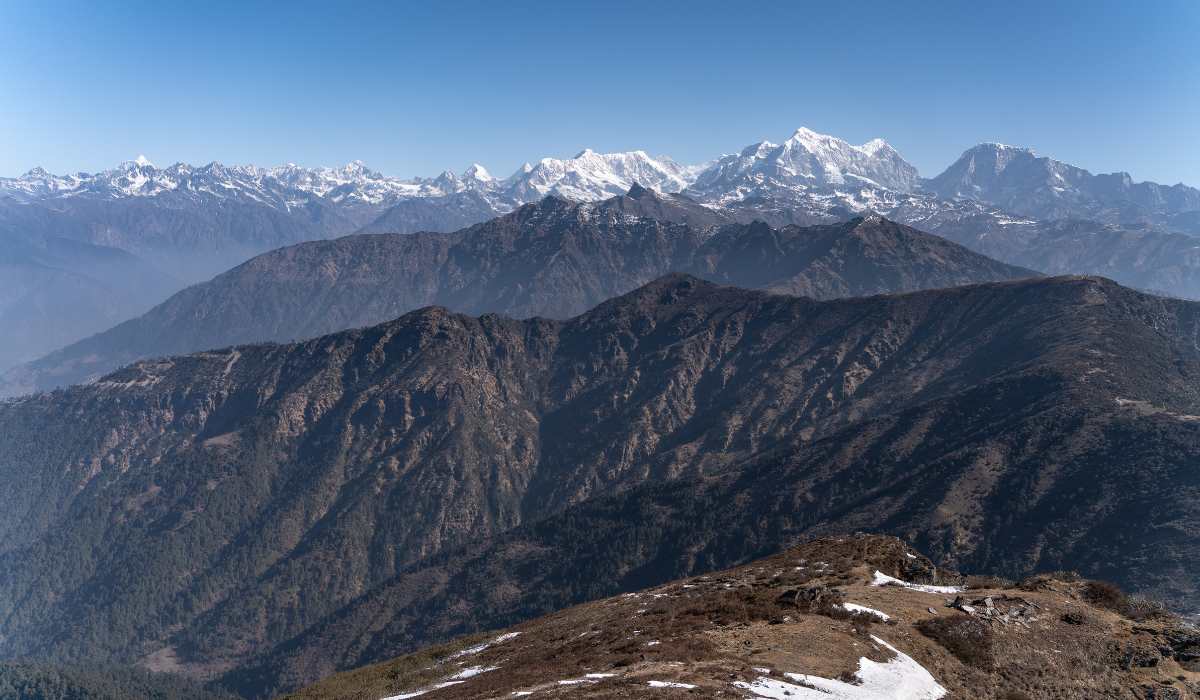
The Pikey Peak trek isn’t limited to a single fixed itinerary with Explorer Adventure. You can choose between standard, extended, alternative route or fully customized trekking plans depending on your time, fitness and interest in cultural or off the beaten path experiences.
Pikey Peak Trek 9 Days (Traditional Path)
The classic Pikey Peak trek lasts for 9 days and is considered the most popular among visitors. It offers trekkers the perfect opportunity to enjoy trekking in Nepalwithout being rushed or exhausted by the journey. The following aspects are common for this itinerary:
- Slow trekking passing traditional Sherpa villages
- Good acclimatization opportunities during the journey
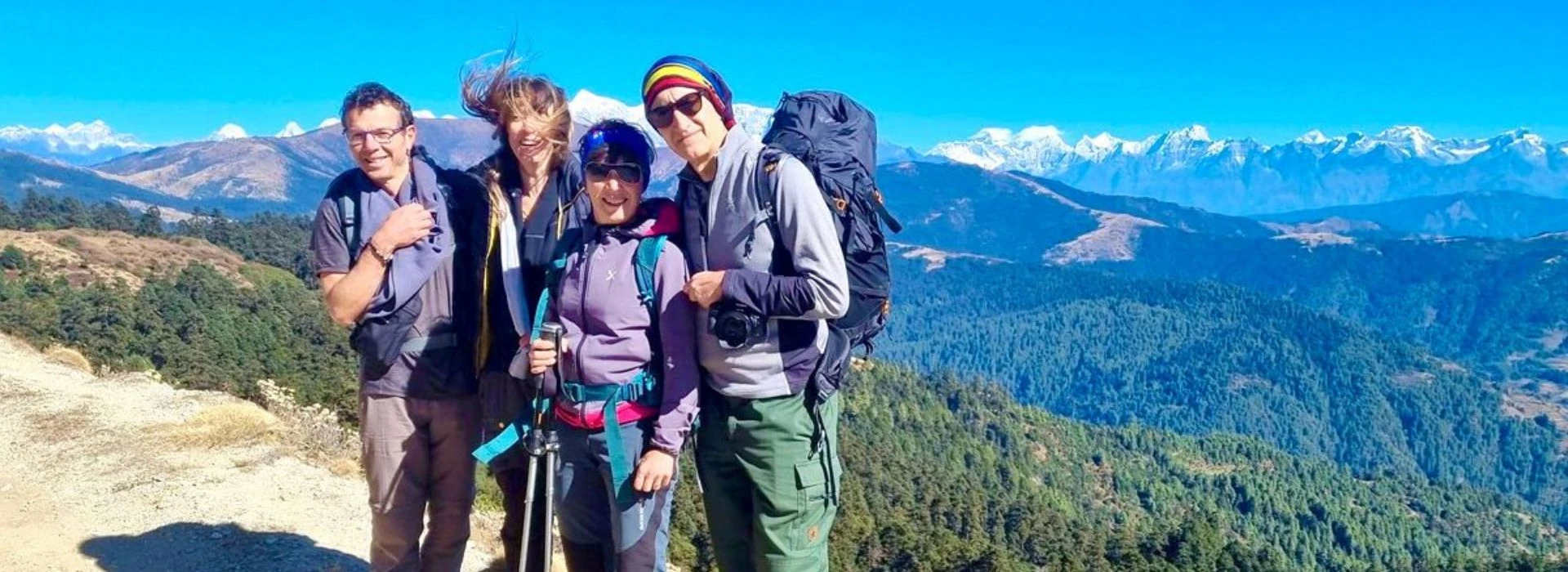
- Viewing of sunrise from the top of Pikey Peak (4,065m)
- The great combination of nature and culture
Such a balanced approach of a slow yet not too long hike makes this path the best choice among others because it neither makes trekkers rushed nor tired.
Pikey Peak and Dudhkunda Trek (12 days extended version)
If you’re looking for something more challenging, adventurous, and spiritual, the 12-day extension trek to Dudh Kunda will provide a wonderful experience for you. This trek comprises all elements of the regular trek but with additional:
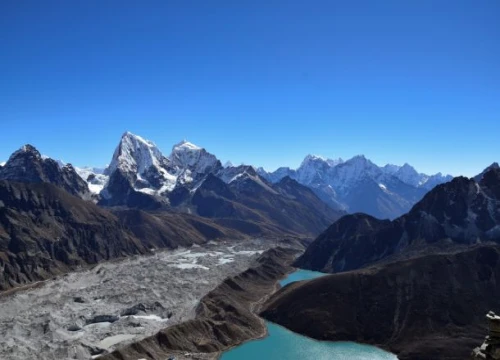
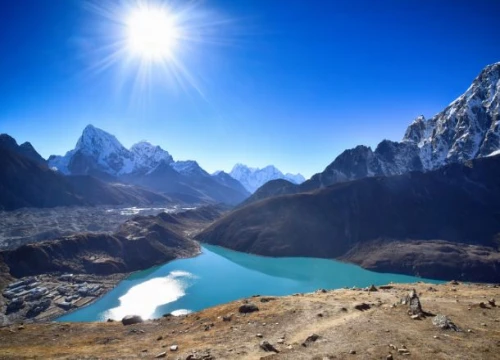
- Visit to Dudh Kunda (Milky Lake), a glacial lake considered a holy site by Hindus and Buddhists
- Remote and quiet routes with very few trekkers
- Long walks through untouched and pristine alpine settings
This trek is much more than sightseeing; it immerses you completely into remote Himalayan cultures and pilgrimage sites. Pikey Peak and Dudhkunda Trek is ideal for experienced trekkers and those desiring spiritual and remote experiences in the far flung mountain corners.
Pikey Hill Trek: 9 Days (Alternative Route Trek)
The Pikey Hill Trek of 9 days provides another experience of the same journey by adopting an alternative route into the same area. Even though the time taken for this trek is similar to that of the conventional trek, the difference lies in the fact that the trail:
- Uses other entrances and exits from the area
- Has different views and villages along the way
- Minimizes the chances of coming across the traditional trekking route
For travelers who would like to see the Pikey region but have visited before via the conventional route, this is the perfect choice.
Customized Routes: Completely Flexible Itineraries
Those trekkers who prefer freedom in their travel plans will find to be completely customizable based on the entry and exit points.
Here you will be able to alter:
- Duration of trek (can either decrease or increase)
- Starting place (Dhap, Phaplu, Junbesi, etc.)
- Combination with other routes
- Difficulty level and hours to walk daily
This method is very flexible and is usually opted for:
- Photographers
- Groups consisting of a few people
- Trekkers doing multiple treks in the Himalayas
- Travelers with strict timetables
The major benefit from using such an approach lies in having a completely customized itinerary without compromising safety or logistics support.
A Typical Day in Pikey Peak Trekking
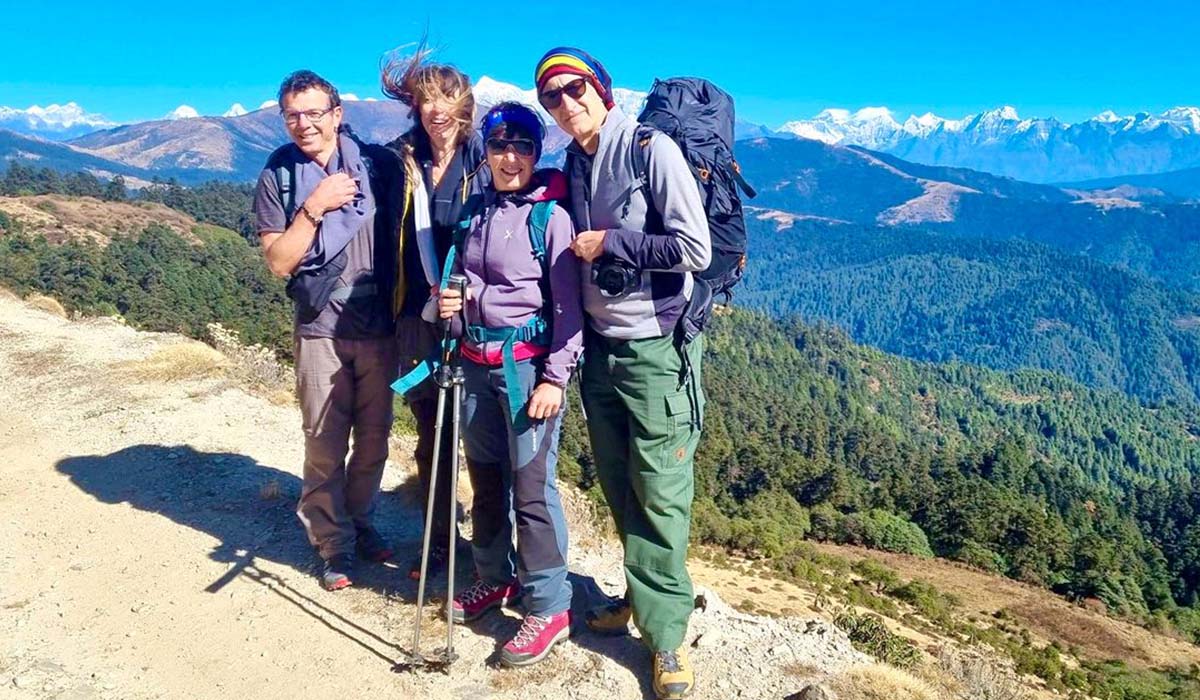
Understanding duration helps in getting acquainted with how a trekking day is structured. Usually, the start of any day is with breakfast and ends with a hike of 4-7 hours depending on the pace of the itinerary.
Hiking involves ascending the trail in a gradual manner through forested areas, small villages, and ridgelines. You will eat lunch at a tea house along the hiking route. Afternoons are relatively short and trekkers usually complete their journey by the early evening.
Too short a schedule often compresses these natural breaks making the trek feel rushed and physically demanding.
Why Trek Duration Matters More Than You Think
Most trekkers think of duration as merely the amount of time spent on trekking. However, it significantly affects the trekking experience in general.
A well paced itinerary allows the body to adjust properly to higher altitudes reducing the risk of altitude sickness. An adequate duration lets you enjoy your journey more thoroughly as compared to a short one that just feels more like ticking off checkpoints.
Duration significantly impacts physical difficulty. Shorter itineraries may seem convenient but they often involve much longer trekking days that can become quite tedious and exhausting. A good route plan ensures an even distribution of physical effort.
Duration also determines the diversity of routes and scenery. More time often means more exploration of the side trails, viewpoints and quieter paths.
Key Factors That Affect Trek Duration
Physical Condition
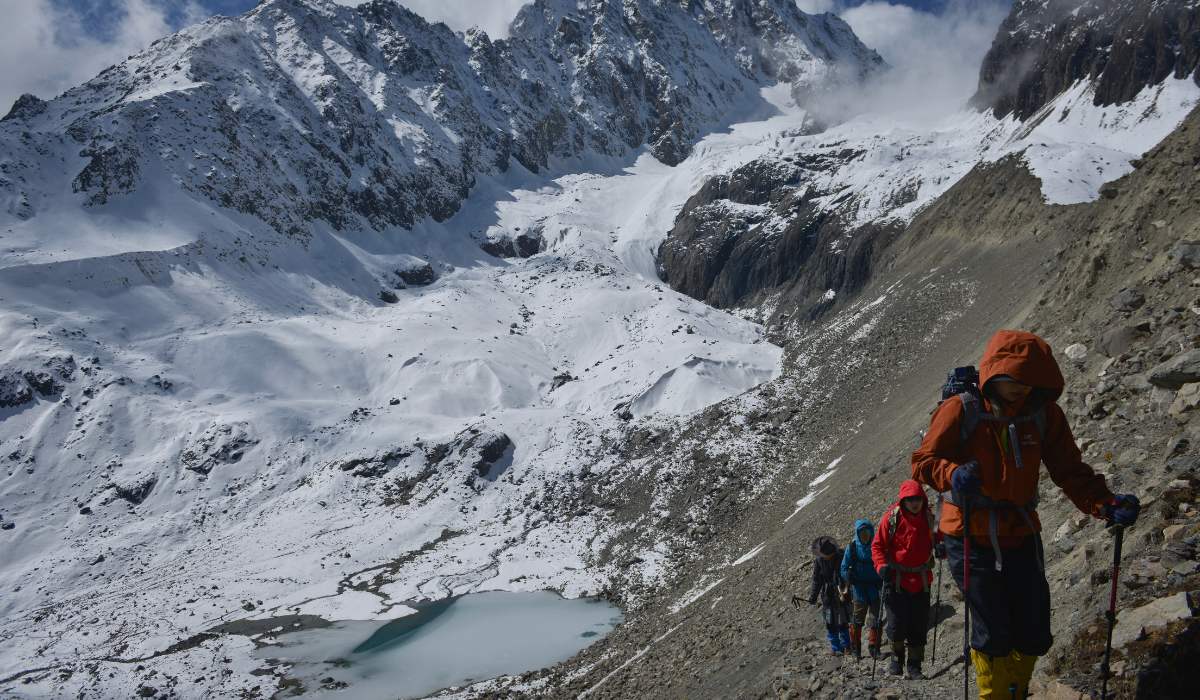
The physical condition of each individual is very important for an easy experience of the trek. Trekkers who have a good physical state can walk for longer periods at a consistent pace.
Remember that pushing too hard doesn’t always lead to a better experience. A pace that matches your ability ensures you stay energized and actually enjoy the journey rather than just enduring it.
Acclimatization Process
The trek to Pikey Peak is considered moderate-altitude, yet proper acclimatization should be considered essential to avoid problems. An increase in height gradually and some rest days make it easier for the body to adjust, deal with fatigue and minimize the risk of altitude-related issues.
Route Variation
The duration of the hike might differ according to which route you have selected for your journey. Variations in the starting and finishing points or inclusion of other side trips along the way can add or reduce one to two days from your schedule.
Weather Conditions
The conditions of the weather might greatly impact your hiking trip, particularly in more distant and remote areas. Rain, fog and other weather related factors can affect your pace and visibility. Plan your trip in an adjustable manner with some buffer time to avoid any difficulties.
Travel Logistics
The travel time to and from the start of the trek may affect the entire length of the trek as well. In regions like Pikey Peak, transportation is usually a mixture of extensive driving on difficult terrain and having few options available in terms of public transport. Besides, delays due to road conditions, vehicle availability or scheduling can add extra time to your journey.
Best Pikey Peak Trek Itinerary Strategy
Instead of questioning which itinerary is the shortest, it is better to know which itinerary will provide you with the best experience in relation to your available time.
The main problem with selecting the shortest possible itinerary is that the trip will be too rushed and will not allow you to get used to the mountain altitude and alpine conditions. In addition, trekking is not only reaching the destination point but also enjoying the surrounding nature and the atmosphere during the route.
7-9 days (for a relaxed experience)
If there are any doubts about your stamina, the way your body will react to the altitude and the physical exertion of trekking, you should choose an itinerary of 7-9 days. This is a moderate amount of time that will enable you to ascend to the highest point slowly while being able to rest adequately.
Additional Days for Flexibility
Adding 1 or 2 days to your trek can bring a lot of benefits. Weather changes, possible delays, or the desire to stay in one location longer than planned are common events during the trek. Extra days allow you to adjust your travel plans without pressure or stress.
Don’t make a rushed schedule
Schedules that complete the trek in the shortest amount of time possible typically mean longer and more tiring days. There is a greater chance of feeling tired or experiencing problems related to altitude.
How Long Should You Spend on Pikey Peak Trek?
A standard trip provides an optimal combination of experiences, safety and fun. There will be sufficient time for a slow ascent. This allows your body to get used to the change in altitude at a comfortable pace and within a reasonable daily walking schedule. You will be able to witness the rising sun on Pikey Peak without any pressure, spending quality time with villagers and enjoying the scenery changes along the way.
If you have some additional days available and wish to make your experience even more unforgettable, adding another 3 days to reach Dudh Kunda will give you that. This variation will lead you to remote areas that lie off the beaten track providing you with even more adventures and opportunities to explore nature and culture.
A shorter duration is feasible, particularly when you don’t have much time on your hands. However, you have to send long and tiring days, with less room for adaptation or even exploration along the route. You may end up feeling like you’re rushing through the trip, losing opportunities to take side trips or enjoy the views.
In the end, the effort involved in planning your route well is what really matters. Your journey will be meaningful and will reward you more than you may have expected at the start.
How Long is Pikey Peak Trek - Cultural Experience Depth
The duration of the trek directly influences how deeply you can experience local culture. It means that longer trips can provide enough time for the trekker to immerse into Sherpa settlements along the way which are influenced by the Buddhist traditions.
Longer trips also let you explore old monasteries thoroughly and even take part in some religious rituals and ceremonies. This will give you an idea about the spirituality of the region and the social ties of the Sherpas. It is usually possible when there is enough time to pause and stay present in a place.
Longer stays also open opportunities for more meaningful interaction with locals, spend some time together, and learn more about the Himalayan culture. But if the trip is shorter, you cannot stay for long in the villages of the trail and get to know more about the locals and their lifestyle.
Why Choosing the Right Duration Matters Most
Selecting a proper duration for your journey makes it meaningful and enriching. Given enough time, your body would be able to adjust itself to the growing altitude and terrain changes. This ensures that you are safe throughout the journey, as well as not suffering any exhaustion or discomfort while undertaking it.
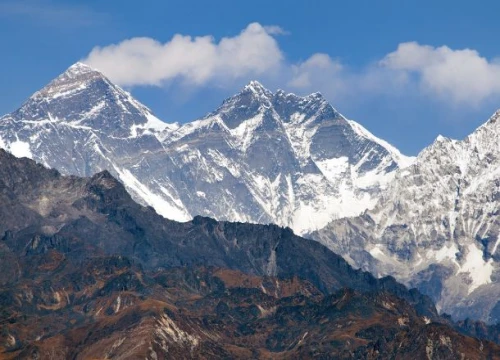
Given enough time on your hands, you will get the chance to fully absorb the splendor of nature around you rather than just moving from one place to another. For example, you will deeply get to enjoy the changes in scenery from thick forests to hills to ridges, all backed by the magnificence of the Himalayas. These slower moments often become some of the most memorable parts of the trek.
Similarly, enough time will give you chances to come into contact with the people and culture in the mountains. You will be able to visit villages, meet up with the locals and observe their day-to-day life in the Himalayas.
Not only is time a logistics that needs to be properly planned but also a crucial component of the experience itself influencing how well the journey can be perceived and recalled.