Gokyo Lakes Trek In Spring
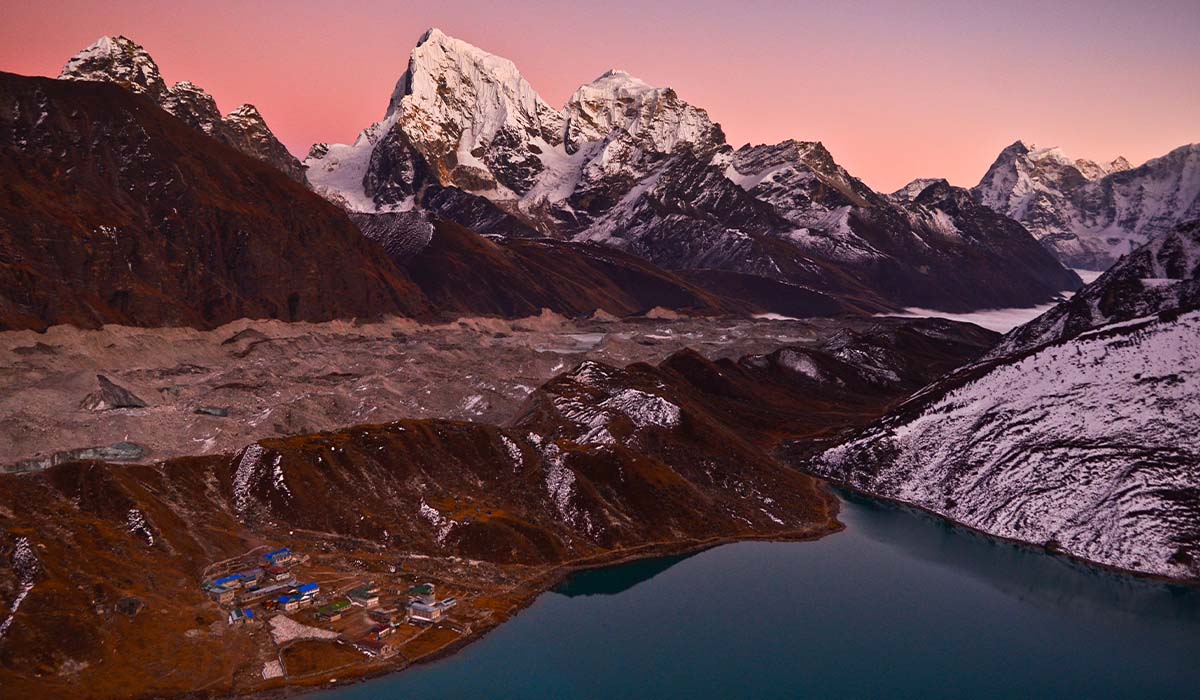
It is one of the most chosen seasons for the Gokyo Lakes Trek. This is because of the stable weather conditions, comfortable trekking temperature, and good visibility. The starting weeks of March may carry some lingering winter cold. However, from the middle of the month, the days get significantly warmer. Additionally, the trails are dry and firm. This reduces the chances of falling and tripping. Another highlight of the spring trek is the vibrant bloom of rhododendron, magnolia, and several other flowers.
Furthermore, the wildlife activities increase in spring, so trekkers can spot several mountain animals. For example, Himalayan Tahr, Blue Sheep, Red Panda, Marmot, and Musk Deer.
Similarly, trekkers can witness the unobstructed panoramic views of the majestic mountains. In early March, the holy lakes remain frozen, and around the end, they start to thaw (crack). By May, they unfreeze and reveal the striking turquoise surface.
Pros
- Trails adorned by flourishing flora, such as rhododendrons, magnolias, blue poppies, edelweiss, and many more.
- Pleasant trekking temperature.
- Sharp views of both nearby and long-distance mountains.
- Fewer weather-related cancellations and postponements of the Lukla flight.
- Opportunity to observe the Holi and Dumji festival celebrations.
- Dry and firm trails decrease the chances of accidents.
- Adequate daylight hours.
Cons
- The Gokyo Lakes trail and teahouses are more crowded than in the off-season.
- Sparse snow or ice in higher elevations during early spring.
- Occasional afternoon clouds may cover the views.
Gokyo Lakes Trek In Autumn

Autumn is one of the best times for the Gokyo Lakes trek because of the predictable weather patterns, clear blue skies, and pleasant temperatures. Expect occasional rainfall in early September as the monsoon bids farewell, making the trails slippery briefly. However, as the days get warmer, the routes become sturdier.
The season brings unobstructed sweeping views. Additionally, minimal clouds, blue sky, and crisp atmosphere make it a suitable time for photography. The lower and mid-altitude pine, juniper, and rhododendron forests are lush green. Likewise, the routes are in excellent trekking condition, as the suspension bridges and streams become safer to navigate.
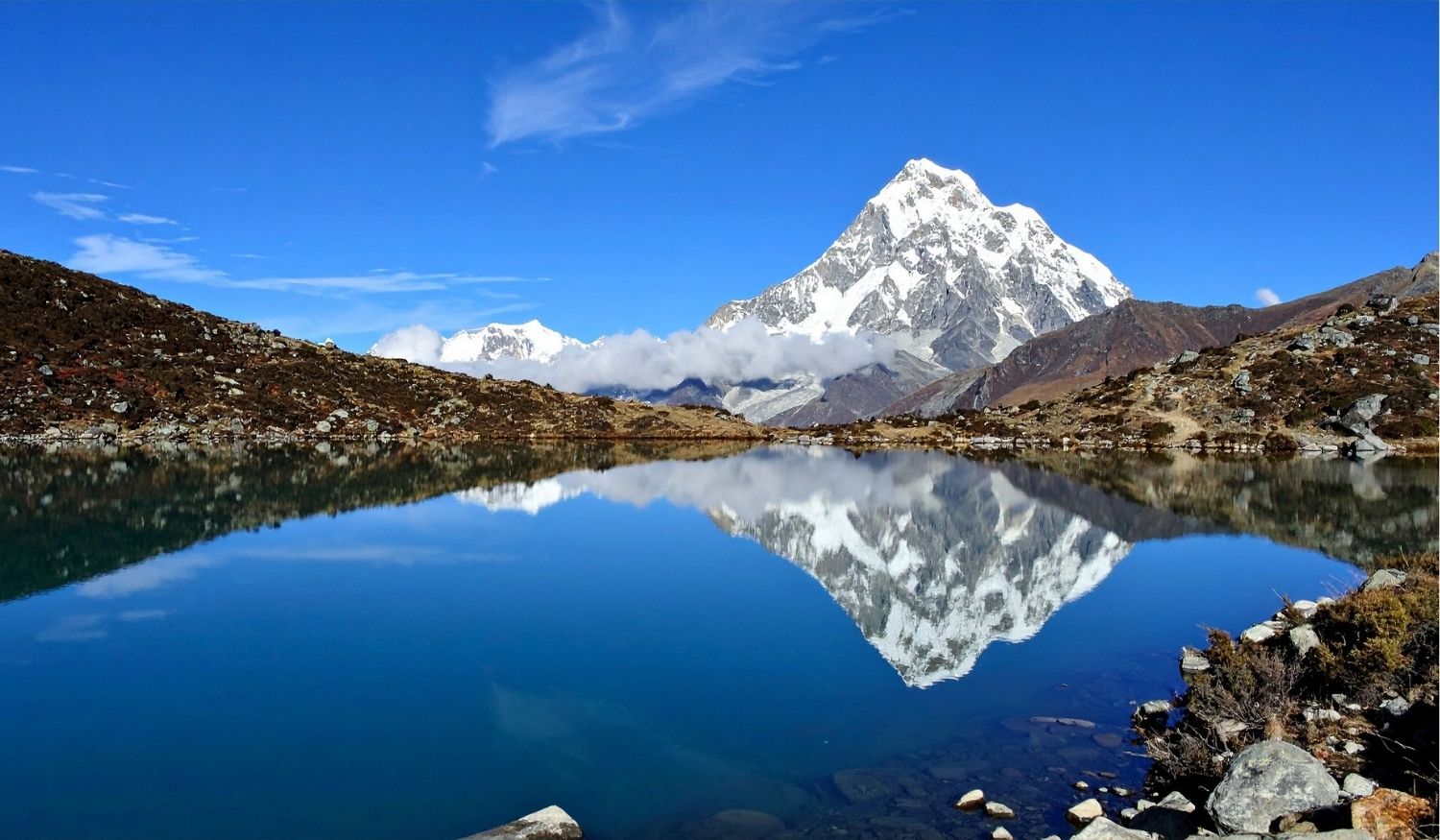
The Gokyo Lakes are completely thawed during the autumn season, displaying their turquoise color. Additionally, the surface of these water bodies reflects the surrounding mountain peaks. Several cultural and religious festivals, such as Dashain and Tihar, fall during this season. Furthermore, the local monasteries organize rituals, prayers, and small celebrations marking the end of the harvest season.
Pros
- Excellent visibility.
- Lush, deep green forest.
- Stable weather and crystal-clear skies.
- Lower chances of Lukla flight delays.
- Opportunity to meet fellow climbers and trekkers as autumn attracts most visitors.
- Be part of Dashain, Tihar, and Mani Rimdu celebrations.
- Ideal time for wildlife spotting and birdwatching.
Cons
- It is one of the peak trekking seasons, so the trails are busy.
- Sparse rainfall at the beginning of the season.
- Finding good accommodation can be a bit challenging, necessitating early booking.
Gokyo Lakes Trek In Monsoon
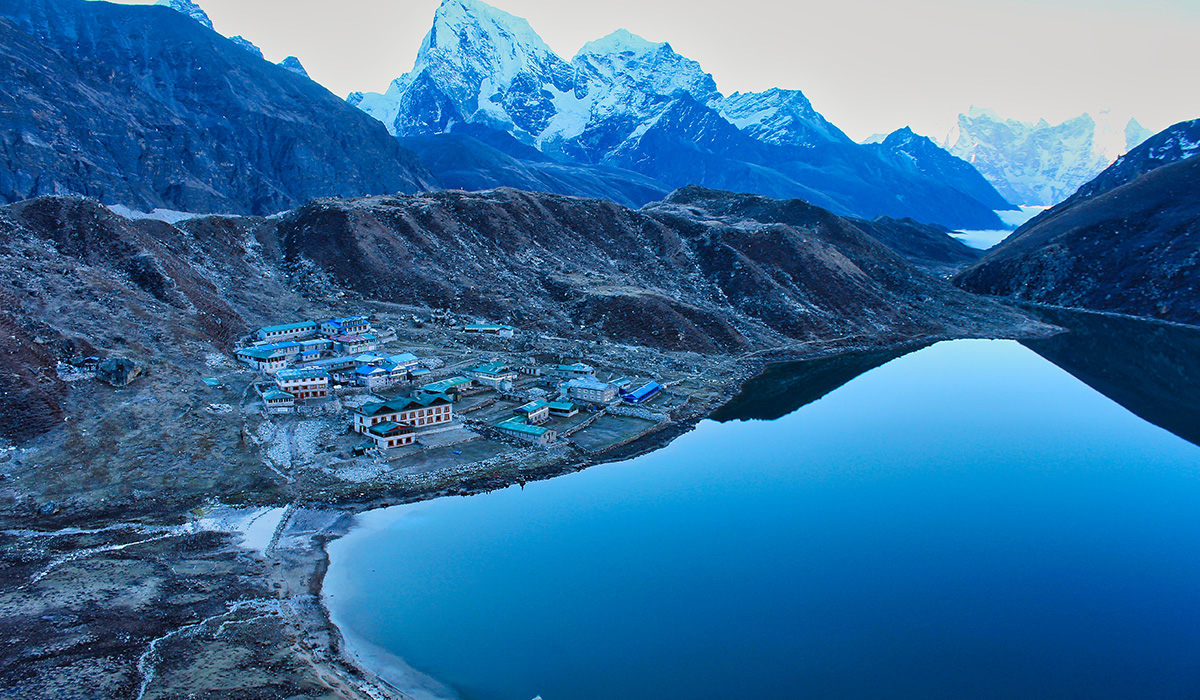
Most trekkers do not deem this season as the ideal time for high-altitude treks because of the continuous rainfall. Furthermore, there is a chance of landslides and rockfalls. The trails become damp and muddy, increasing the risk of falls and minor injuries.
On the brighter side, unlike in the peak seasons, the trekking routes are calm and relaxed. Therefore, it is an ideal time for trekkers seeking a solitary endeavor that feels more personal and culturally immersive. Forests and alpine meadows appear fresher and more vibrant after rainfall. Trekkers can witness the cascading waterfalls, swollen rivers, and streams.
There is a high possibility of dark clouds covering the farsighted views. However, once the sky clears up, trekkers can see crisp mountain vistas. The holy water bodies remain fully melted, flaunting their striking turquoise color.
Pros
- Take a holy dip in the Gokyo Lakes during Janai Purnima, which is believed to purify the soul and provide blessings.
- Picturesque green landscapes.
- Quiet trails offering a more solitary experience.
- Wild animal sightings.
- Artistic photography opportunities.
Cons
- Increased risk of landslides and rockfalls.
- The Lukla flights get cancelled often due to rainfall and clouds.
- Leeches and bugs are persistent on the lower sections.
- Unstable trekking routes.
- Reduced visibility.
- Crossing the fast-flowing rivers may be difficult
Gokyo Lakes Trek In Winter

It is not the most ideal time for the trek because of the harsh weather and low temperature. The lower regions experience light snowfall, whereas in the upper sections it gets heavier. Additionally, the snow accumulation can block the trekking routes temporarily. However, the local communities and guides quickly remove these obstructions.
There are mild risks of frostbite and hypothermia, so make sure to wear insulating, waterproof hiking clothes. Check the weather forecast before starting the trek and stay on high alert for avalanche warnings. With proper gear, physical training, and the assistance of a local guide, a winter Gokyo Lakes trek can be manageable. Furthermore, it offers a tranquil experience, as the traffic is much less compared to spring and autumn.
Lower forests are covered with snow dust, making them appear like a winter wonderland. Similarly, the glaciers and surrounding moraines remain frozen. The days that do not receive active snowfall offer sharp views of the himalayas. During the winter, the holy Gokyo lakes remain frozen, as their turquoise colors stay hidden beneath.
Pros
- Solitude, as very few trekkers visit in the winter season.
- Witness the majestic himalayas enveloped in snow, making them appear like a winter fairyland.
- Unique photography opportunities (frozen lakes, ridges, and glacial vistas).
- More immersive cultural experience.
Cons
- Unpredictable weather and low temperature.
- Slippery trails with icy paths and snow.
- Shorter daylight hours.
- Physically more demanding.
- Lukla flights are postponed for a few hours to a few days due to bad weather.
Temperature Guide For Gokyo Lakes Trek
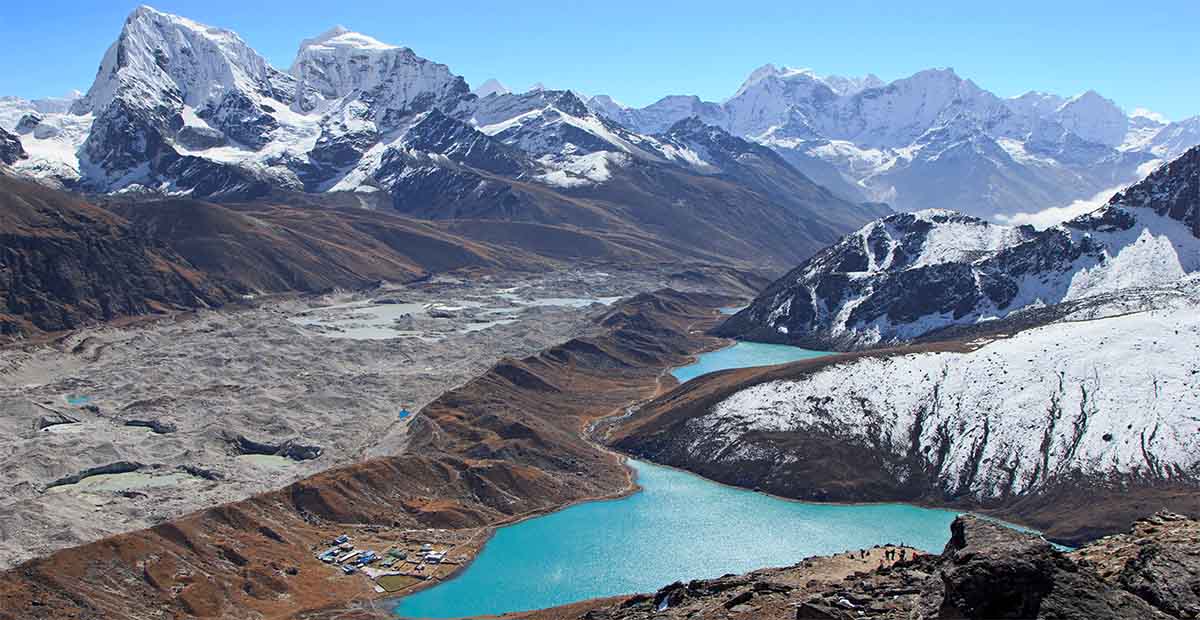
Based on season and altitude, the average temperature varies significantly. In Spring, at the lower sections (below 3,500 meters), it ranges from 5°Cto 18°C. Likewise, at the upper sections it is about -5°C (at night) to 10°C.
Monsoon brings the warmest temperature of the year. Low valleys around Lukla and Namche are about 8°C to 22°C warm, and the temperature in higher regions stays around 0°C to 12°C.
In autumn, the average temperature drops slightly. So, on average, it ranges from 0°C to 15°C in the lower sections and -10°C to 5°C in the upper sections.
Winter is the coldest, and nighttime is often below freezing (up to -20°C) in the upper regions. In the lower regions, it is about -5°C to 10°C.
Gokyo Lakes Trek Difficulty Based On Season

The journey to the sacred Gokyo lakes is considered moderately difficult. It involves high-altitude walks through uneven trails. The maximum elevation of the trek, Gokyo Ri, sits at 5,357 meters and trekkers spend about a week above 3,500 meters. Therefore, it is important to be cautious of Acute Mountain Sickness (AMS). The lower oxygen levels and a thin atmosphere make physiological adjustment difficult. So, incorporate enough acclimatization days and practice gradual elevation gain. The time you choose for the trek significantly affects the level of difficulty. This is because the weather, temperature, trail conditions, and visibility change every season.
Spring season difficulty
The Gokyo Lakes trek around this period is less challenging compared to winter and monsoon. The trails are easily accessible and in good condition during this time. Additionally, the weather is stable and there are very few chances of natural disasters.
The longer days in spring allow trekkers to maintain a slow pace while trekking. Similarly, the excellent visibility makes navigation easier. Additionally, dehydration on warmer days may lead to breathlessness and worsen altitude sickness. So, stay hydrated and carry your own bottle on the trail.
Monsoon season difficulty
Compared to the spring and autumn, the monsoon brings slightly more challenges. This is mostly due to continuous rainfall and damp trails. Having to walk on unstable trails increases muscle fatigue. Additionally, warmer temperatures often mask AMS risks, leading trekkers to underestimate the altitude effects. Additionally, increased sweating in the warmer days raises the risk of dehydration.
Avoid drinking water from open taps and rivers around this time, as continuous rainfall may cause water contamination. Similarly, it is better to exclude raw foods such as salads from your diet, as they may be washed with dirty water.
Autumn season difficulty
Similar to spring, autumn provides excellent weather and trails. Cool temperatures and ample daylight allow for steady pacing. This results in decreased risks of AMS. Additionally, the body adapts better to the higher elevations as warmer air improves breathing and efficient oxygen utilization.
Winter season difficulty
It is the most challenging time for the Gokyo Lakes trek. The cold temperature, limited daylight hours, and snow add to the difficulty. Crossing the rugged mountain trails as they are covered with ice and snow patches can be extremely dangerous. So, you must wear well-fitted trekking boots with good grips. Similarly, there are chances of frostbite and hypothermia. To avoid this, carry proper winter gear and warm trekking clothes.
The body uses more energy and oxygen to stay warm in a cold environment, so physiological adjustment takes longer than in drier seasons. Additionally, cold air suppresses thirst, leading to water consumption and dehydration. So, winter amplifies the risk and effect of AMS. Therefore, acclimatize enough, eat a healthy diet, and stay hydrated.
Packing Guide For The Gokyo Lakes Trek

- Thermal inner layer, fleece or down jacket.
- Comfortable trekking pants.
- Well-fitted boots and a few pairs of synthetic socks.
- Sunglasses, lip balm, a hat, and gloves.
- Water bottle and purification tablet.
- Adapter, Power bank, and USB.
- Quick snacks, like nuts, dried fruits, protein bars, etc.
- Permit and travel insurance document.
- Toiletries (biodegradable soaps, toothpaste, toothbrush, towel, hand sanitizer, and feminine hygiene products).
- Photocopies of the passport and visa.
- Headlamp for early morning treks.
- GPS, maps, or a compass for better navigation.
- Nepali rupees in cash, as teahouses in higher elevations may not accept online payment.
Additional items for Monsoon
- Quick-drying and breathable layers.
- Waterproof trekking jackets and pants.
- Anti-leech lotion and anti-bug spray.
- Rain cover for backpacks.
- Trekking poles or sticks.
- Ponchos.
- Ziploc bags to safely store electronic devices and documents.
- Water-resistant boots with a good grip.
Additional items for winter
- Insulating base layer and heavy down jackets.
- Thermal liner gloves
- Extra-thick wool socks
- Insulated high-ankle trekking boots
- Waterproof and windproof outer shells.
- Gaiters, buffs, and gloves.
- Balaclava.
- Microspikes or crampons for icy or snowy trails.
- Sleeping bags rated for -20°C.
- Thermoflask to store hot water.
- Polarized or glacial sunglasses.
- Hand and toe warmers.
Common Questions

Which seasons are best for the unobstructed mountain views?
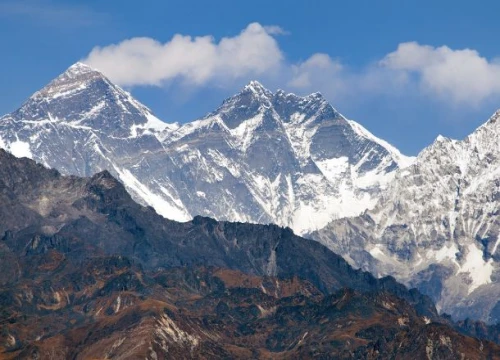
Autumn and spring present bright skies and sharp visibility. Therefore, they are the most ideal times for uninterrupted views of the himalayas. Such as Everest, Lhotse, Makalu, and Cho Oyu.
When is the easiest time to trek to Gokyo Lakes?
Spring (mid-March to May) or autumn (mid-September to October). They feature dry trails, stable weather, and minimal hazards hence, they are the safest and most hassle-free periods for the trek.
Which seasons are best for a serene experience
Winter and monsoon are most suitable for a quiet and personal Gokyo Lakes journey. This is because they see significantly fewer crowds than in the peak trekking season.
What is the ideal time for photography?
All four seasons are equally rewarding and offer unique frames. Spring and autumn are the most promising times. This is because of the clear skies, colorful vegetation, and good long-distance visibility.
What permits are required for the Gokyo Lakes trek?
A Sagarmatha National Park (SNP) permit is mandatory and costs 3,000 Nepali rupees per person per entry. Trekkers can obtain it from the Nepal Tourism Board at the Monjo park entry gate.
Which season has the most festivities?
Autumn coincides with the highest number of cultural and religious celebrations. Dashain, Tihar, Mani Rimdu, and several other monastic festivals fall around this time.
Can I see the turquoise Gokyo Lakes in winter?
No, around this time, the holy water bodies remain frozen, and their surface is covered with ice and snow dust. Therefore, you cannot see their striking turquoise color.
When should beginners go for the trek?
Given the safe trail conditions and ideal weather, spring and autumn seasons are the most suitable times for first-time trekkers. However, you can opt for it even during the monsoon and winter with proper preparation and the help of a licensed local guide.
Is the solo Gokyo Lakes trek possible?
Yes, legally, you can independently complete the journey, so it is not mandatory to have a guide. However, when going on a solo endeavor, it is important to follow safety protocols.
Do I need to get travel insurance?
Yes. It is highly recommended because of the risks of altitude sickness, injuries, and unforeseen circumstances. While getting travel insurance, make sure the policy covers emergency helicopter evacuation and hospitalization.
When are the Lukla flight cancellations least likely?
Autumn and spring months offer the most reliable flights. There are minimal to no weather obstructions, leading to suspension or postponement of the Lukla flights.
What time poses the maximum threat of natural disasters?
The continuous rainfall risks the chances of landslides, rockfalls, and soil erosion. Similarly, during winter, avalanches and snowstorms can occur.
Best time to see the turquoise Gokyo Lakes?
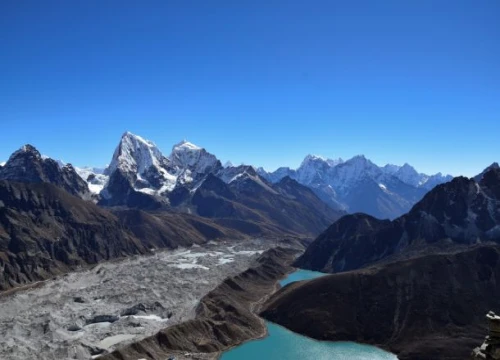
Late spring, monsoon, and autumn are the best times to see the holy water bodies in their full glory, flaunting their deep blue color. During most of the winter season, the lakes are not thawed, so it is not possible.
Note: In early March the lakes may be unthawed from the lingering winter cold.
When are the trails easy to navigate?
Autumn and spring have the best visibility and dry trekking routes. Therefore, there will be no major difficulty with navigation. Even during the remaining seasons, having a trekking guide removes the stress of finding the right and safe path. This is because they are familiar with all the well-established as well as alternative routes.

.webp)